My Home Staging Checklist for Every Seller

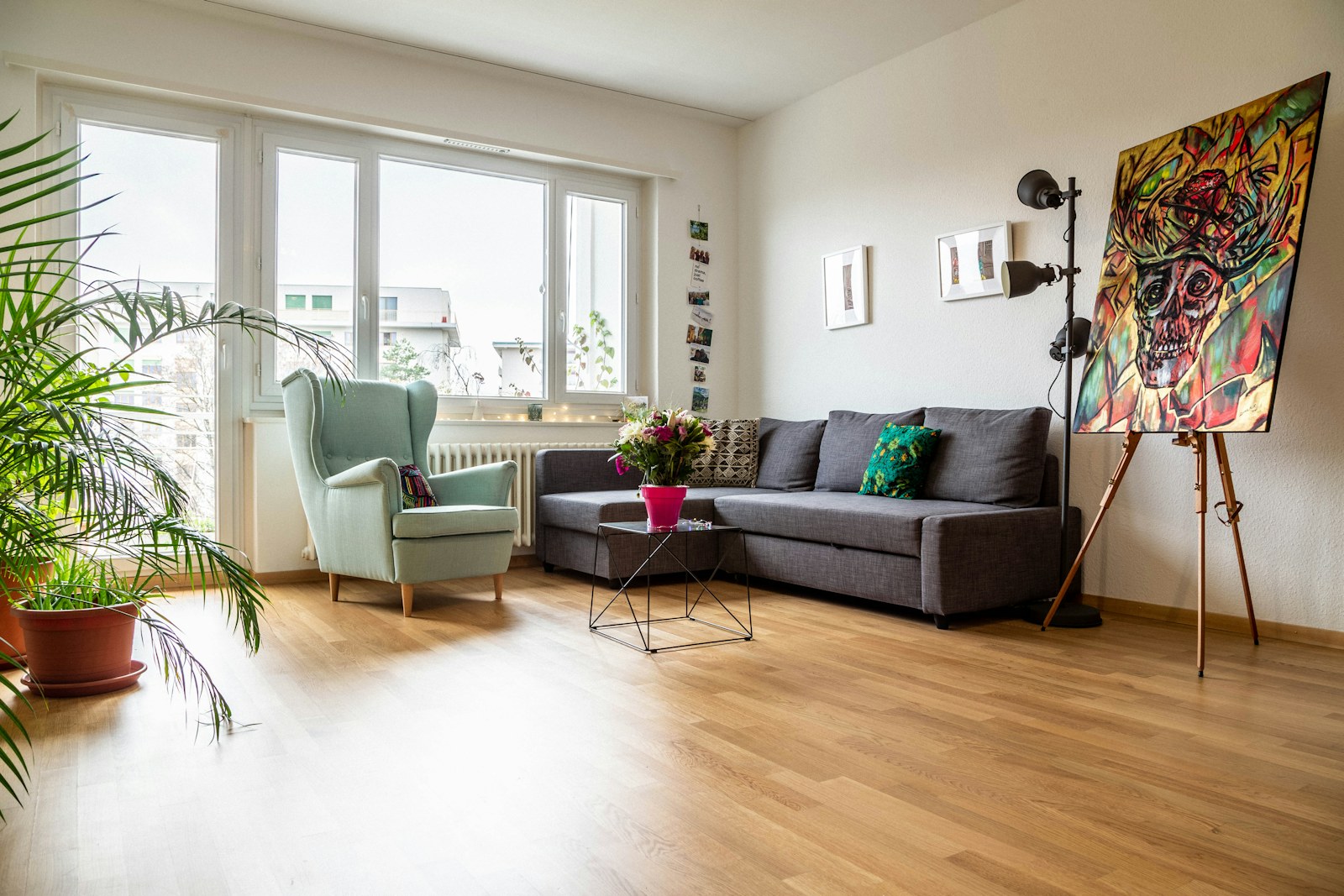
Photo by Kyoshi Reyes / Unsplash.
You may feel that all of your belongings are getting in the way of a successful sale. It’s important to remember that you’ll be living there until moving day and buyers will be coming and going until the sale is final. Keep it simple. Buyers will be looking to see if they can comfortably move about the rooms, assess the overall condition of the rooms and envision their use. My home staging checklist begins with making the house easy to understand while keeping it livable for you.
If there’s confusion about use or how to arrange them, rearranging furniture might clear things up. Styling can help with certain objections but it’s not going to overcome objections around price, location, number of bedrooms etc. Your agent will advise you on those items.
What the room data can tell you
In the National Association of REALTORS’ 2025 staging survey, 83% of buyers’ agents indicated staging helps buyers envision the property as a home. Rooms most commonly staged according to sellers’ agents included living room (91%), primary bedroom (83%) and dining room (69%).
After more than forty years working in Florida real estate, I want sellers to bring the conversation back to their own property. The survey can help you prioritize rooms. It can’t tell you what a particular buyer will pay for your house.
So how do you use statistics to make informed, common-sense staging decisions for your home? Start with a walk-through. Here are three ways to make the most of yours:
The rooms most often staged
Understand there are two kinds of “repairs”
To be attractive to buyers, properties usually require both repairs and presentation, or things you might change to improve the home’s appearance. It’s critical to identify what applies to your home. For instance, maybe there’s a hole in the drywall in your garage. Rather than patching it, you’re tempted to mask it by placing a dresser in front. The hole is still there. Discuss the condition, repair options and any disclosure obligations with your agent. Concealing it with furniture doesn’t resolve it.
Be careful not to go shopping
Once you start looking at presentation issues, you’ll be shocked at how many problems you’ll discover. It’s easy to feel overwhelmed and make a list of fixes that’s as long as your arm. Here are a few pointers:
- Determine how much money you’re willing to spend and establish a budget before you make changes. It might help to have a hierarchy, as cleaning and rearranging come before redecorating and staging. Then have a cap on redecorating/staging expenses before hiring a professional.
- If you’re going to rent furniture, be sure to get everything in writing: the terms of the contract, what happens if you have to extend the contract and how much the fee will be, delivery/pick-up charges and responsibility for damages. Avoid surprises.
- Your agent is a good resource about presentation and the priorities of buyers in your area.
Remember that the room percentages report which rooms agents staged, while the visualization figure reports buyers’ agents’ views. They’re no guarantee of how much money you’ll make by spending money on a particular item.
Play the visitor’s role
Once you’ve addressed maintenance and have an idea of what you want to do regarding presentation, walk through your property as though you’re a prospective buyer. Start at the parking space you’ve designated for visitors. Can you find the house number? Can you get to your front door easily? If applicable, have a plan for condo buildings regarding rules for getting in/out of the building, parking, elevators, etc. Is there a doormat by the door?
As you make your way through the house, ask yourself if it’s easy to navigate from room-to-room. Are there areas of the house where it’s difficult to tell what kind of room it is? Can you easily envision what might go in each room? Can you see into each room when you walk through the door?
Once you’ve done this, grab your smartphone and take pictures of each room from the doorway. Make sure you’re standing with your phone at eye-level and use the standard (non-wide angle) setting. As you walk through the house, take photos. Then review them to identify places that may be too busy/cluttered, doorways that are blocked, windows covered by furniture or other items that make it difficult to visualize how you might live there.
Finally, rather than make a list of a hundred changes, identify the three most pressing items that hinder easy navigation of your home and envisioning living there. Deal with those first, then revisit presentation ideas.
Staging should enhance the best attributes of your home. Make sure you’ve given yourself plenty of time to get the job done so it is a process instead of a frenzy. And remember: you’re going to be living there. So don’t do anything you’re not willing to live with until the sale is finalized.
While a basket with a lid is great for quickly concealing things when the camera comes knocking, valuables and private items should be properly stowed before a buyer visits your home. Medications, paperwork, financial information, anything that is private, should be kept under lock and key.
Make sure the living room works in person
Once a room looks great in the pictures, make sure it’s livable, too. Here’s where staging takes a back seat to practicality:
- In the living room, can two people walk into the room, take it all in and find a place to sit without bumping elbows and turning sideways at the coffee table? If not, maybe that side table could move to the other end of the sofa and the occasional chair could take a trip to the bedroom. By moving a couple of the easier-to-move pieces you’ll be able to clarify the purpose of the room and identify easy-to-traverse walking lines, but it’s unlikely to leave it feeling bare and empty. Once the room feels right, put yourself in the viewer’s shoes, sit down, put your glass down, reach for the lamp, get up and check the rug and the path to the balcony/garden.
- If a room has a dual purpose, a bedroom/guest office or a living room/media room, for example, work out what its main purpose will be and ask your agent which function they think should be highlighted in the listing. Make sure anything to support its alternate purpose, say, a laptop and lamp for the home office, can easily be stored away when the room is staged as a guest room for a showing.
- And, of course, if someone uses a walker or has other medical needs, those items should be readily at hand, make sure to mention these needs when staging each space.
Keep the kitchen useful
If you’re living in the home while it’s listed, the kitchen still has work to do. Make the daily reset manageable.
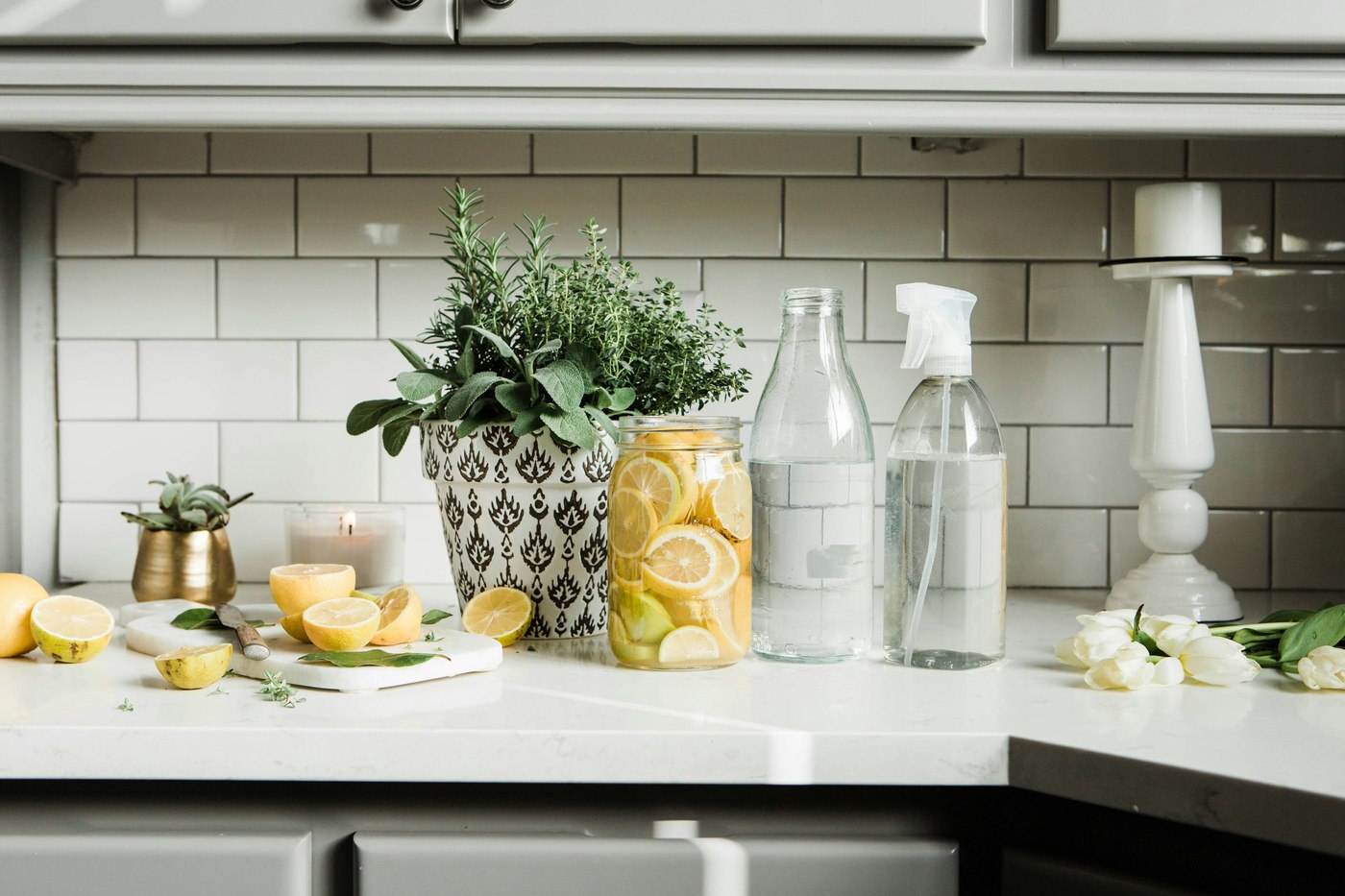
In the kitchen, it’s fine to leave the things you use each morning out if you have ample counter space, but everything else, blenders and mixers you use a couple of times a year, say, should be put away. The goal is to provide ample space around the sink and stove to make and serve a meal, not to strip all counters completely. Once there’s enough counter space, consider adding a bowl of fruit or plant for color and charm. Don’t make the opposite mistake: adding cute stuff without clearing counters will create a circus of color and clutter. Before photos are taken, take a peek under the sink. Anything damaged or stained, or giving off funky odors? Remove items from the cabinet, assess what needs cleaning/repainting/fixing and decide if any items need replacing. Investigate the cause and discuss repairs and disclosure obligations with your agent. Don’t treat repainting as a solution to an unresolved leak. Are all appliances in working order? If not, repeat the process. Prep tasks could include removing grime from the sink’s perimeter, wiping down handles and cleaning the outside of the fridge and other appliances. Take down the kids’ school schedule and your utility bills. Before you go to bed at night, take five minutes to stage the kitchen. Put away the dishes you washed, no need to unpack cupboards, and tidy up clutter. It’s okay to leave the drying rack out.
Give the bedroom room to function
In the bedroom, it’s unlikely you’ll need to run out and buy a new duvet, just tidy up the bed and clear the floor around it. Leave a few items, say, a lamp and a book, on the bedside table but remove any clutter. Make sure you can pull the dresser drawers and closet doors open without bumping into other furniture; you don’t want viewers trying to recreate the room’s layout in their heads. Pack up out-of-season items early on but make sure you have easy access to your current wardrobe. Don’t cram the closet shut to disguise things you’ve pulled from it.
Keep everyday things accessible between visits. A basket can hold ordinary items you put away before a showing, but keep it out of the walking route. Secure valuables and private information separately.
Looks good. Works in person, too.
Before the photos
- Clear the view from the doorway.
- Check windows and reflective surfaces.
- Remove private details from sight.
Before a showing
- Open doors and test the walking routes.
- Secure medication and valuables.
- Confirm the plan for people and pets.
Clean the places that catch the light
Clear clutter before photos rather than relying on digital edits to change how the house looks.
Clean windows inside and outside, mirrors, shower screens and appliances during daylight hours – this will highlight any smudges and marks that may be difficult to see during the evening. Clean from the top of rooms working your way down so you don’t redeposit any dust on the floors. Don’t forget to dust baseboards, light fittings, switch plates, cupboards, window tracks etc. Be sure to follow manufacturers’ instructions when using cleaning products and never mix products. If you decide to engage someone to give the home a once-over, make sure you provide them with a checklist of the things that need to be done. Don’t simply ask them to ‘give the house a good clean’.
Odors should be eliminated rather than masked, so leave those scented plug-ins, candles, oven-baked cookies and air fresheners in the cupboard. Bathrooms should be clean and tidy. Wipe down all surfaces, close the toilet lid, wash and provide fresh towels, remove unwanted toiletries.
Work with daylight and the view
Before the photographer arrives make sure you have a clear view from any windows. Move plants, chairs, strollers, bikes, boxes, washing, laundry poles or whatever may be in the way. Clean any dusty windows as well.
A day before photography, walk through at approximately the time the photographer is scheduled to arrive and make sure all lightbulbs are working and windows/doors aren’t blocking sunlight, causing some rooms to be very bright and glaring while others are dark. Replace any burnt-out bulbs with others that match the existing color. Don’t attempt to fix electrical problems yourself – engage a licensed electrician. Make sure heating/air conditioning is working efficiently so that rooms are comfortable.
Agree on a showing-day routine
Agree on a system with your agent as to how much warning you’ll have when someone is coming through the house and at what times. Make sure you’re comfortable with the process and let them know if there are times when it’s easier/harder for you to accommodate inspections due to work or family/medical commitments. If you have pets, work out where they’ll be during inspections – you can’t leave this to visitors. Make sure valuables are safely locked away – visitors shouldn’t have to rummage through your jewelry, medications, financial information, diaries/calendars or computer screens. Leave only what is necessary out on counters and ensure that other items have somewhere to be stored that is accessible and doesn’t impede the flow of traffic in the house. Closets should be accessible and uncluttered as buyers like to check how much room they’ll have.
If the home is vacant
If you’ve moved out, discuss whether appropriately sized rental furniture would help explain a difficult room. You don’t necessarily need to furnish every space. Get the cost, delivery arrangements, rental period and responsibility for damage in writing before committing.
If listing photos are virtually staged, label the altered images clearly, follow the listing service’s rules, and make the original unfurnished views available. Don’t digitally remove defects or change permanent features to make the house look better than it is.
Arrange regular checks and follow your insurer’s requirements for a vacant property. Decide who’ll notice a leak, an unlocked door or a temperature problem. Looking after the house matters just as much as preparing it for the next visitor.
Save the last few minutes for checks.
- 01
The day before
Do the substantial cleaning. Put away laundry and confirm the appointment.
- 02
About an hour before
Check surfaces, light, temperature and walking routes.
- 03
The final ten minutes
Secure private items, arrange for pets and follow your departure plan.
Prepare for the next showing
Keep in mind, most of the cleaning and getting ready should be done well in advance of showings. The last few minutes before buyers come through are spent making sure walkways are clear, the temperature and lighting are good, private items are secured and your departure plan is in place, such as who is taking the dog, while the coffee maker and your favorite chair can stay. Divide these tasks amongst the household and don’t assume you have to do everything.
Identify problem spots. Some issues come up again and again and will require tweaking your family’s routine, perhaps a laundry basket in the living room or toiletries left on the counter. Secure medications separately. Perhaps you’ll need to relocate a basket/hamper, identify a place for shoes or establish that some family members need to use the shelf/cubby closer to them. It’s important to come up with a plan that does not rely on heroics and must be one you can sustain throughout the time the home is on the market, not just the first afternoon.
The last pass
Before the door opens
0 of 7 done
Keep reading: Keeping your home clean while it’s for sale · What visitors notice first.
Featured photo: Kyoshi Reyes / Unsplash. Reviewed September 27, 2026. Illustrative calculations are labeled separately from published research.