King Tides in Miami Beach: What to Know Before You Buy or Sell Waterfront Property

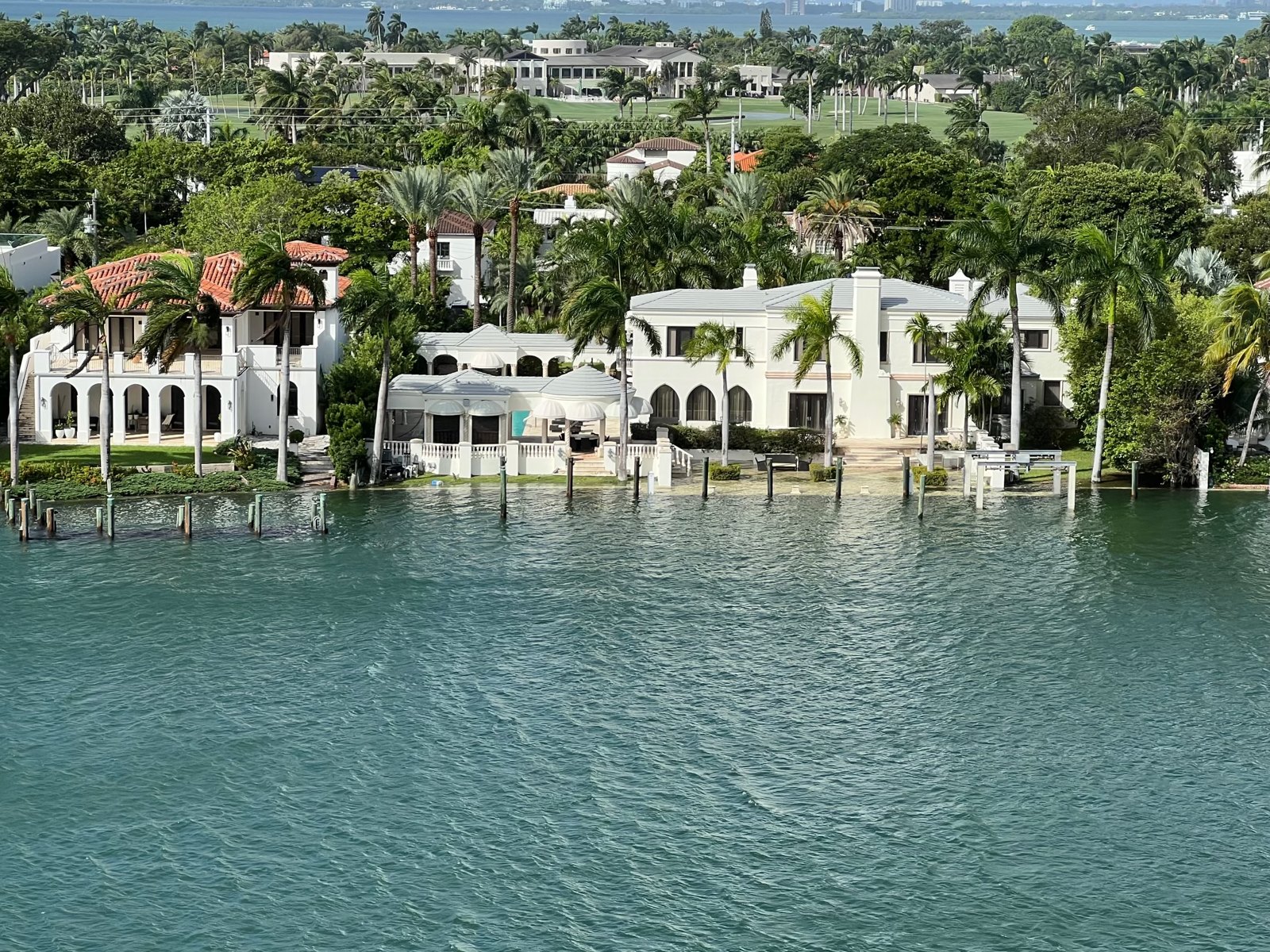
Photo: My Real Estate Tips
Buyers: go check out the property you’re interested in. Sellers: walk your property and see where the water is coming up to. Everybody: go stand on the street and see where the water line is. This week brings king tides (the highest tides of the year, which happen every fall) to Fort Lauderdale and Miami, peaking about two and a half feet above normal high tide, which the Weather Service defines as major flooding. Add in a good rain or windy day, like we’ve had this week, and North Bay Road closes under water. This is just what water does. It’s the most honest week of the year for waterfront real estate. The bay shows you what the listing photos don’t. I’ve been selling real estate on the Beach for forty years. It’s better for my clients to see this now, than after closing. No panic. No pretending. Just water doing what water does.
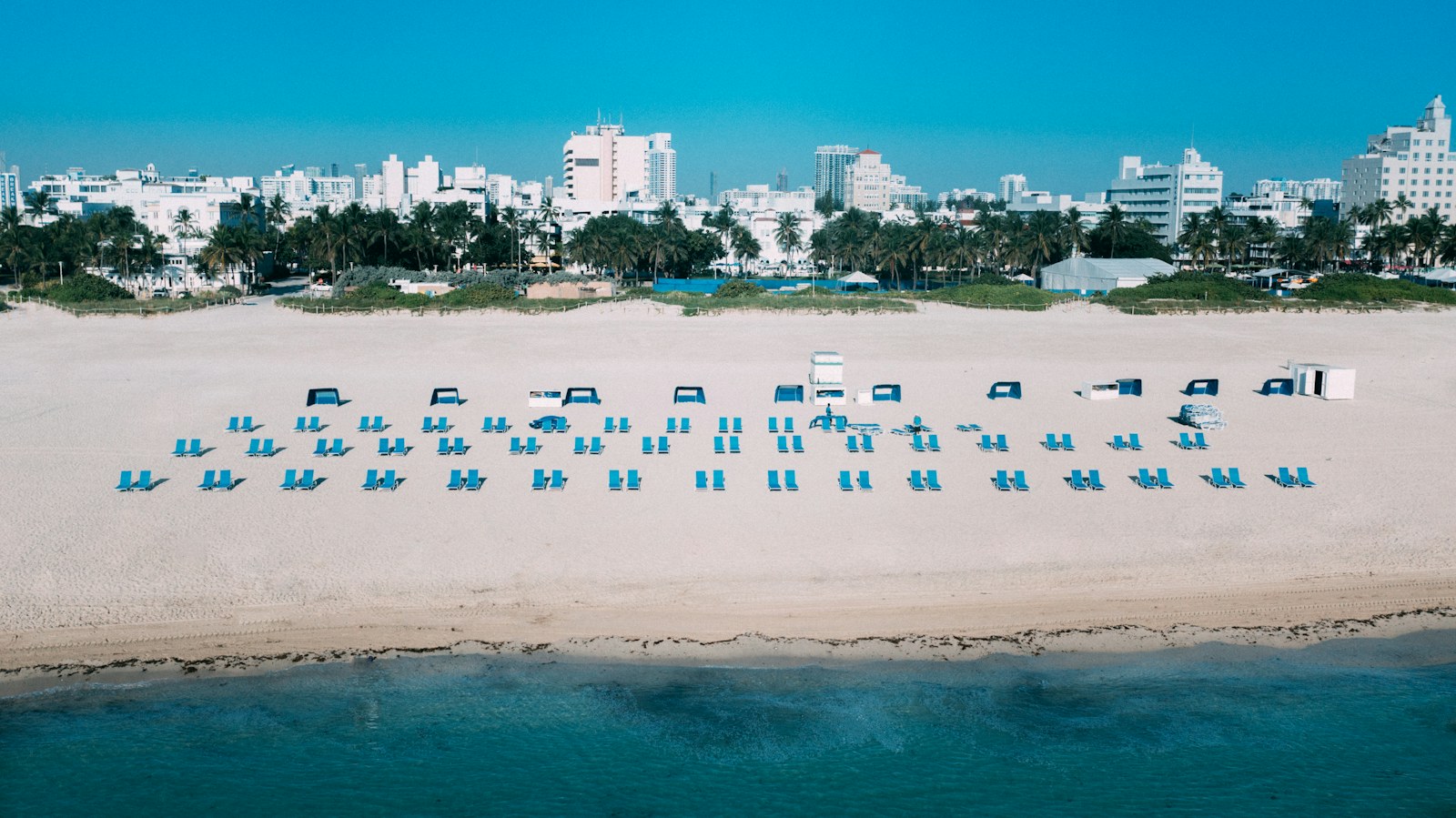
Photo by Lance Asper on Unsplash.
What a king tide is, and when they come
If you’re buying or selling waterfront property, it’s helpful to be aware of king tides, the highest tides of the year.
King tides occur when the moon is at its closest to the earth and in alignment with the sun. King tides in South Florida typically occur between September and November. Tide tables can help you determine king tide dates, but be aware that onshore winds, storms or heavy rainfall could cause higher than predicted tides.
This year’s late-October window runs through October 30, with the highest predicted tides on October 26 and 27. The next windows are November 6 to 9 and November 23 to 26.
Keep a close eye on the weather during king tides. It’s helpful to be aware of all the factors that influence king tides so we can be better prepared for what our neighborhoods will see each year.
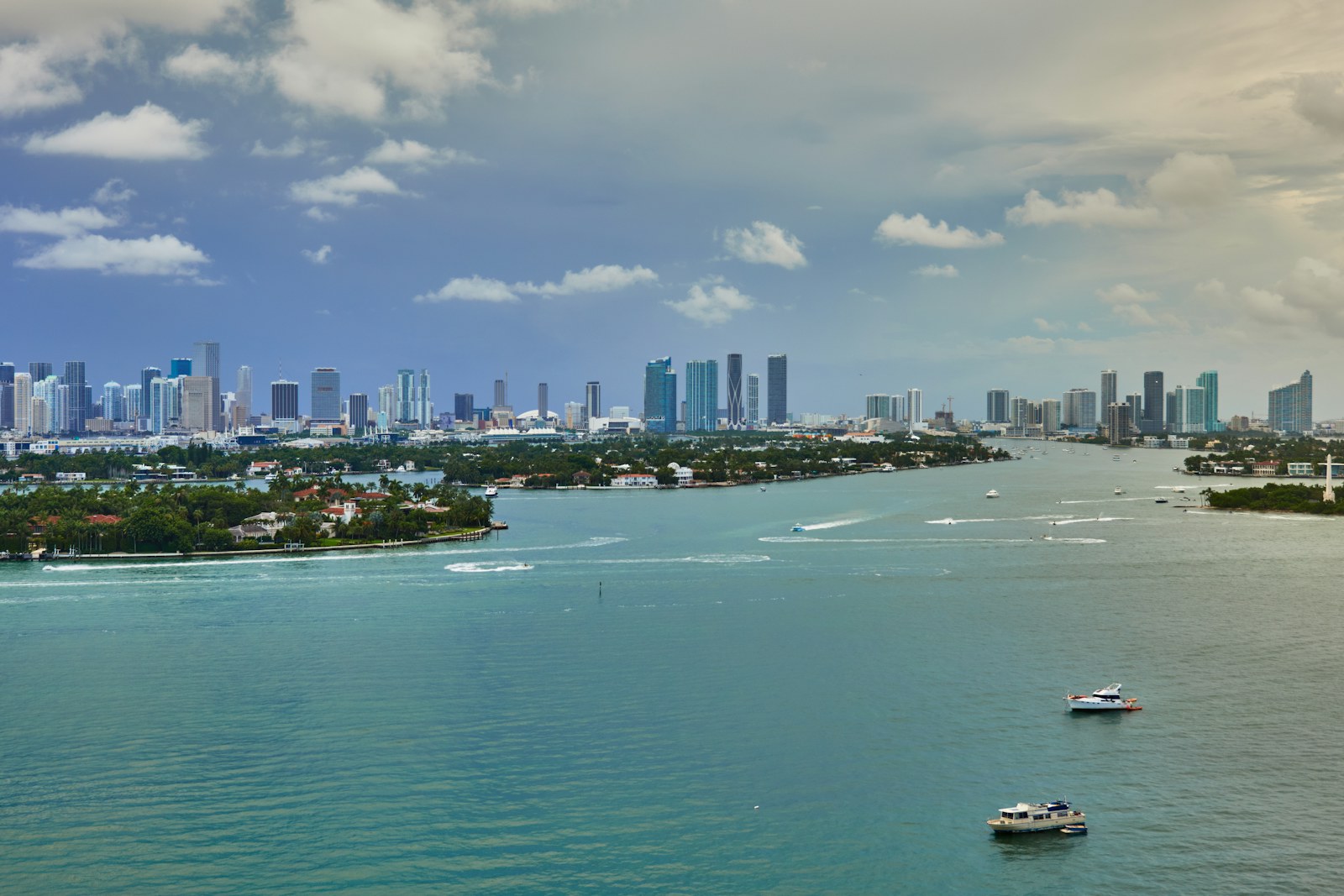
Photo by Cody Nottingham on Unsplash.
Why Miami Beach floods on a sunny day
Water does not recognize property lines, so keep an eye out for the low spots, because this will matter later on.
In my forty years of working in Miami Beach real estate, I’ve noticed that sometimes properties that are only a block apart flood in very different ways. One may never have an issue, while the one just down the street regularly turns into a swimming pool. So don’t assume that conditions at one property are going to be the same at the next one. Ask about drains and find out if there’s a history of flooding.
Miami Beach is an island where a lot of the land is only a few feet above sea level. And the storm drains empty out into the bay. So when the bay water rises high enough, the water works its way back through the drains and ends up back in the streets, even on a beautiful sunny day with not a drop of rain in the sky. And where the seawalls are low or where there are gaps between properties, the bay water spills over onto land.
Miami Beach has been working for years to elevate its roads, install bigger pumps and higher seawalls to combat the issue. And in some cases it’s worked, and streets that once flooded now stay dry. In other cases, not so much. That’s just the way things work here. So it’s important to understand exactly how the site you’re interested in works. It’s physics, not magic. But it will affect your purchase or sale, so know what you’re getting into.
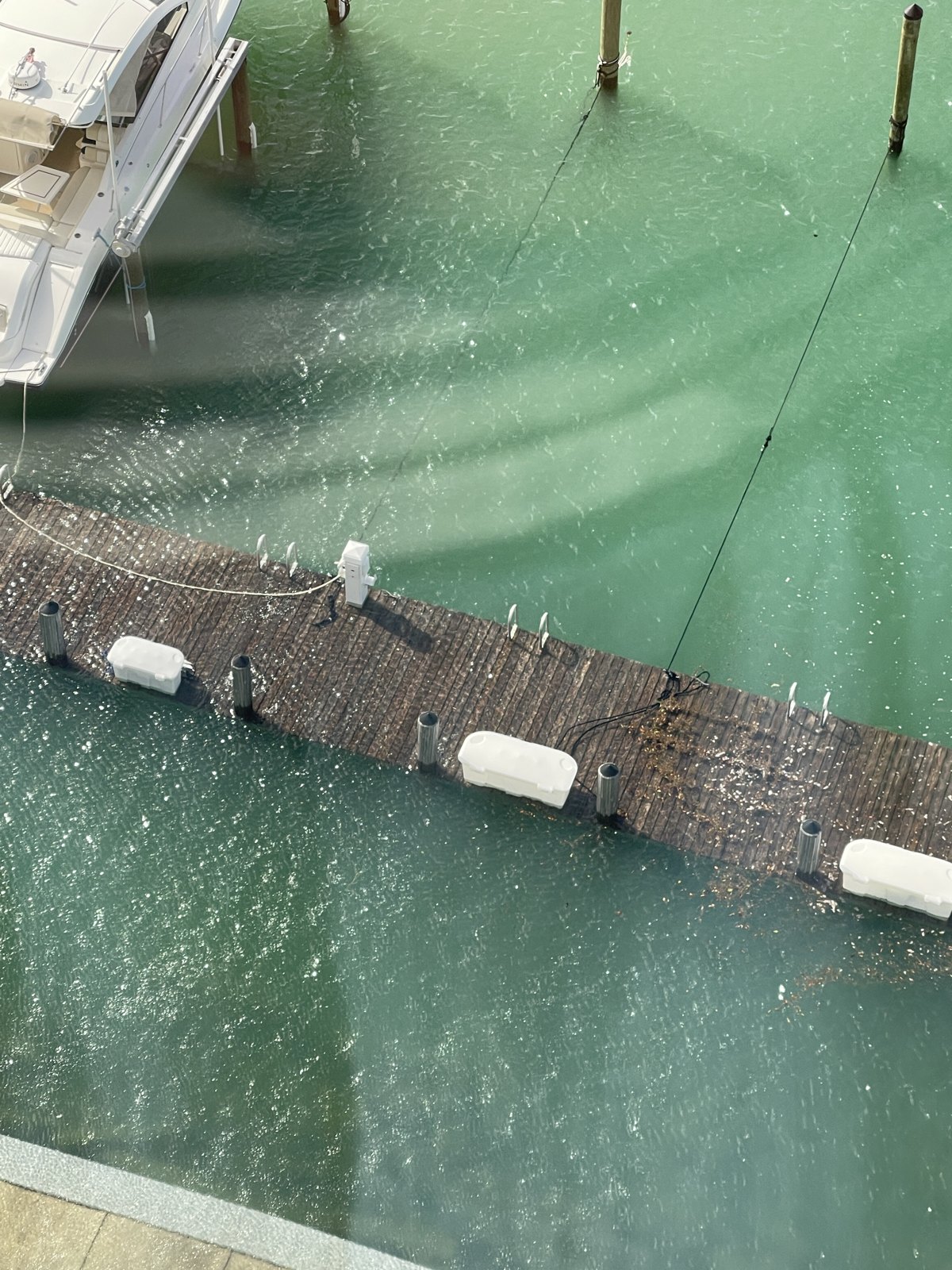
Photo: My Real Estate Tips.
If you are buying: go look during a king tide
Buying a home? If you can, check on it during a king tide (the next king tides are November 6 to 9 and November 23 to 26). If possible, make sure you’re there during high tide (check the exact time for your area, and go see it then, not the next day when the water’s gone).
Walk the streets. Walk into driveways and garage entrances. Walk through any yard areas adjacent to the ocean or seawall. Are there high water marks, white salt or sand residue on walls or concrete, rust on the bottom of gates or doors? All of these tell you if the house has a losing battle with the bay every few years.
Are the homes built higher than the streets? Is your potential property lower than the neighbors’? If so, you’ll be swimming long before they are.
If you can, chat with a neighbor or two. Odds are they can tell you exactly where the water flows and piles up, and how long it lingers after king tides.
The lesson here is, don’t be fooled by a cute weekend showing. If you can, visit potential waterfront properties during king tides (and at high tide, not the morning after). It can make all the difference in helping you determine whether you’re really ready to make that big waterfront purchase.
Flood zone, elevation certificate and the new maps
If you have any questions about where your property falls within the flood zone, call the floodplain office at 305-673-7610.
The flood zone is just the risk category given by FEMA (the federal agency in charge of designating flood zones). The base flood elevation is the elevation at which the water from a flood is expected to be. Both the flood zone and base flood elevation are important when purchasing a home, but it’s the base flood elevation and how that compares to the elevation of the lowest floor of the home that’s the most important item to look at, particularly from an insurance perspective.
Miami-Dade County has an online tool that will let you type in any Miami Beach address and determine what flood zone it’s in. Note: FEMA is currently in the process of updating the flood maps in this area, and some properties will change flood zones and base flood elevations when the new maps take effect.
Miami-Dade County also has a database that allows you to search for elevation certificates (which show you the elevation of the lowest floor of the home in relation to the base flood elevation) for homes built after 1995. For homes built before 1995, ask the seller for an elevation certificate, and if they don’t have one, you may want to consider paying to have a surveyor obtain one for you during your inspection period.
Get the insurance quote before you make the offer
High-rise condo unit owners are exempt, but starting Jan. 1, 2027, all remaining residential policyholders of the state insurer will be required to also carry flood insurance. Ask your agent if this will affect you.
Flood insurance is not included in homeowners insurance. It’s a separate policy.
If your property is in a high-risk flood zone and you’re getting a mortgage, your lender will require you to get flood insurance.
There’s typically a 30-day waiting period before flood insurance coverage starts, with one exception: You can get coverage to start on your closing date if you’re applying for flood insurance in connection with a loan closing and you apply on or before the closing date.
Even if you’re paying cash, don’t wait to get flood insurance. You could be without coverage during hurricane season.
On a waterfront home, flood insurance can add significantly to the monthly math. It’s smart to get a quote before making an offer on a home so you know what you’re getting into. Call your insurance agent before making an offer on a house. It takes just a few minutes to get a quote and could save you from a big financial surprise.
Many buyers overlook this step and don’t realize what they’re getting into. Don’t assume the seller has flood insurance or that it won’t cost much. Get a real quote for the actual property you’re interested in before you sign.
The seawall question
Miami Beach requires new seawalls, and existing seawalls that need substantial repair, to be at least 5.7 feet above sea level on the NAVD88 scale. A new wall can be built to 4 feet if it’s designed so it can be raised to 5.7 feet later. On July 16, 2025, the city amended its seawall ordinance: a seawall now has to be brought up when the property gets new construction or substantial improvements, and low or failing walls that let water flood neighboring properties may have to be raised. What does this mean for you? If you’re buying a home with a seawall, it’s important to include the condition of the seawall in your offer. Seawalls are a significant expense. Before signing on the dotted line, ask the seller for the age of the seawall, its height, permits, and any repairs. During your inspection period, have a marine contractor inspect the seawall for you, paying particular attention to the seawall cap, cracks, and tiebacks. All of this will help you understand the condition of the seawall and if any repairs may be coming down the pipe.
Buying a condo near the water
When it comes to purchasing a condo, especially in a building near the water, knowing the history of the building is crucial. If the garage or any common area has experienced flooding, that is relevant information that could affect the value of your unit and how livable it is for you.
Think about it. If you live in a high rise condo on the twelfth floor, yes you’re safe from floods, but what about your car? If there aren’t pumps or barriers to keep water from seeping into the garage, your vehicle could sustain thousands of dollars worth of damage during king tides or hurricanes. Ask how cars are protected during king tides.
If seawall repairs are needed, the association will likely pass this expense on to the owners, either through increased monthly dues or a special assessment. This can drastically affect your monthly budget. Make sure to check the condo documents to see what the reserves are for and if there are any pending assessments.
If the building is older and located near salt water, request to see the milestone inspection and structural reserve study. These reports outline the safety and condition of the building, including any issues with the foundation.
If you are selling: what Florida now makes you disclose
As of October 1, 2024, Florida law requires a seller of residential property to provide a disclosure form regarding flooding before or at the time the contract to purchase is signed. The disclosure form asks if the seller has made a flood insurance claim or has received flood assistance (such as FEMA assistance) related to the property. Since October 1, 2025, the form also asks if the seller is aware of any flood damage to the property during the seller’s ownership. The disclosure only relates to the seller’s ownership of the property, but as a buyer, you may want to consider asking about any other potential issues as well.
Make sure you fill out this disclosure accurately and completely. It only takes a buyer to stand on your street during a king tide to discover your inaccurate disclosure. Inaccurate or incomplete disclosures have the potential to not only derail deals, but also lead to litigation. Don’t try to skirt your obligations as a seller, because you will probably regret it.
If you are unsure as to how this disclosure applies to your particular situation, don’t guess. Contact a Florida real estate attorney for advice. It is simple, but it is important. Do it right to protect yourself and the buyer.
Photo by Tuan Nguyen on Unsplash.
If you are selling: show the work, not just the house
If you have an elevation certificate, seawall permits and repair invoices, flood barrier or drainage work, roof and window records, insurance declarations pages, have them together in one place. If you’ve done work like raising the seawall or adding drainage improvements, mention this in your listing and have the supporting paperwork at hand.
When it’s time to show your home, don’t try to duck the king tides. Serious buyers will note the king tides (and high tide lines) and wonder what other information you’re not sharing with them. Honesty is the best policy. It’s always easier to be upfront.
Forty years of high and low tides has given me many waterfront lessons, but here’s one: When water makes the news, it’s the homes with compliant seawalls and good documentation that sell first. So if you live on the water, remember that the file folder sells waterfront houses as much as the view does.
I know. It’s not as romantic. But it’s less stressful for everybody. And the numbers never lie.
Your car during king tide week
Don’t drive through saltwater and if you must, take it to a car wash that has an underbody spray and give it a good rinse. Don’t park in the low spots in town during a king tide window, especially overnight.
Miami Beach has offered flood relief parking for residents in city garages during king tides. It requires signing up ahead, so check the city’s website for information on this year’s parking program.
Living in a condo? Find out what the building does to protect its garage ahead of an incoming high tide, not after the fact.
The king tide week checklist
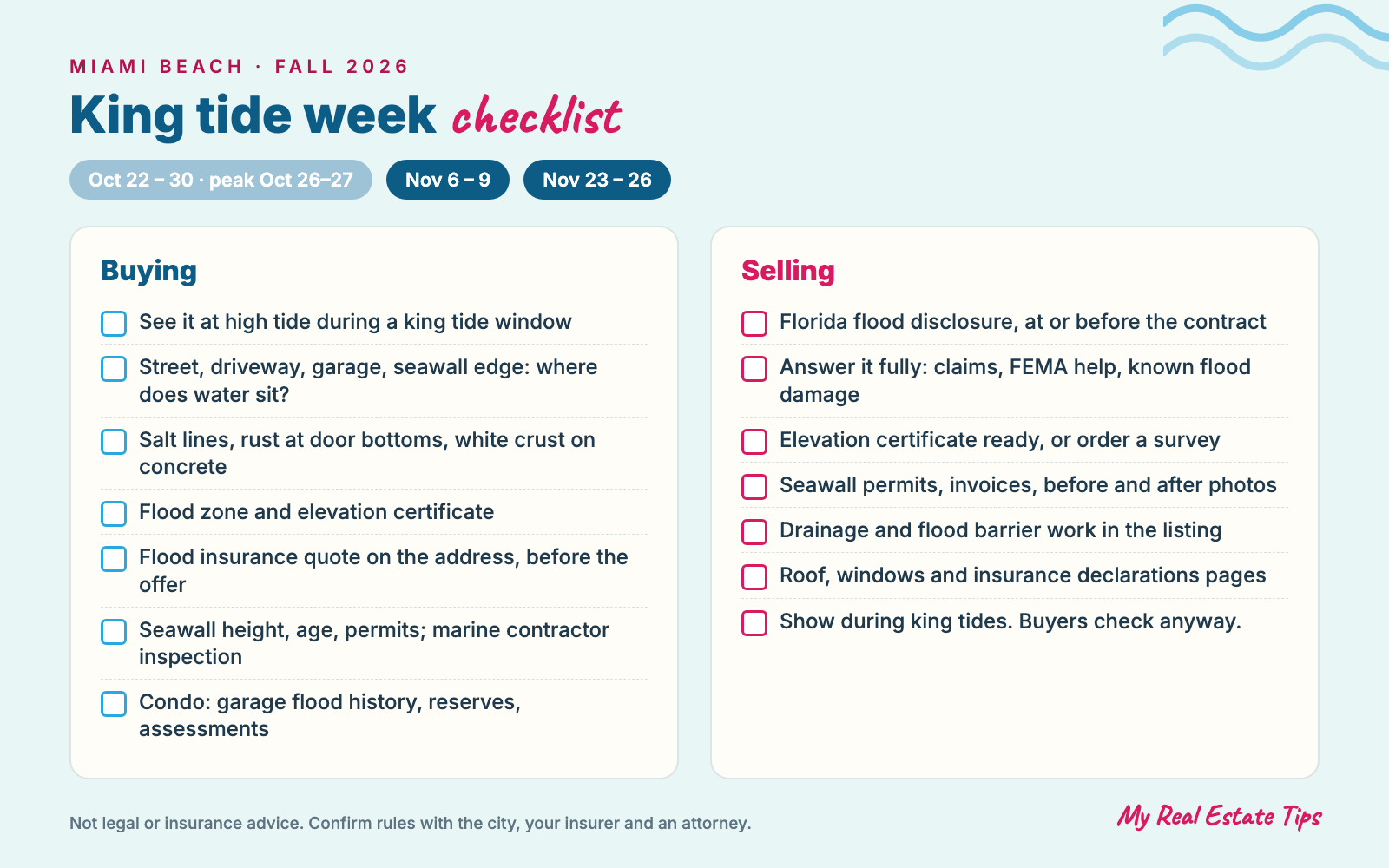
Rules and dates in this article come from the City of Miami Beach king tide page, the city’s local flood hazard information, its 2025 seawall ordinance, Miami-Dade County’s flood zone and elevation certificate tools, and Florida’s residential flood disclosure statute, section 689.302. Rules change, so confirm the details for a specific property with the city, your insurance agent and a Florida real estate attorney. For the wider picture on insurance, read the hidden costs of buying a home, and for older buildings, the Florida questions in the stairs test.
Featured photo: My Real Estate Tips, taken during the October 2026 king tides in Miami Beach.