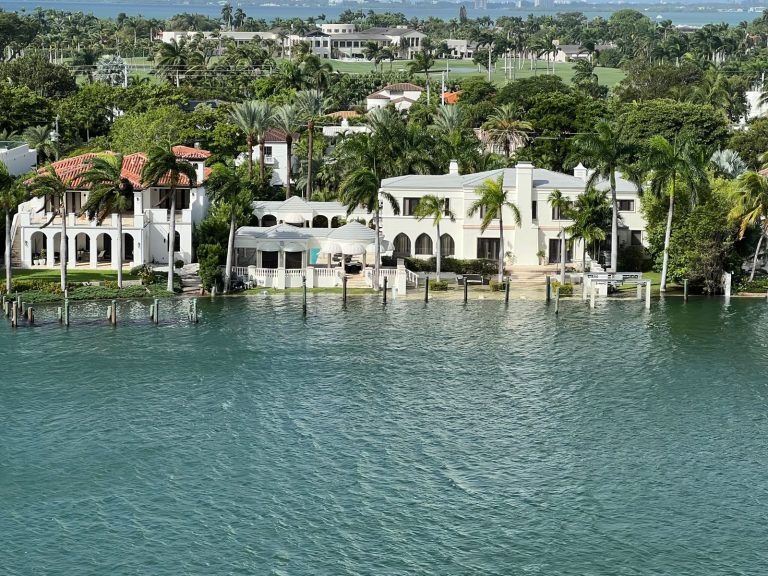
Why Owning a Miami Condo Costs More Now: HOA Fees, Reserves and Special Assessments After Surfside

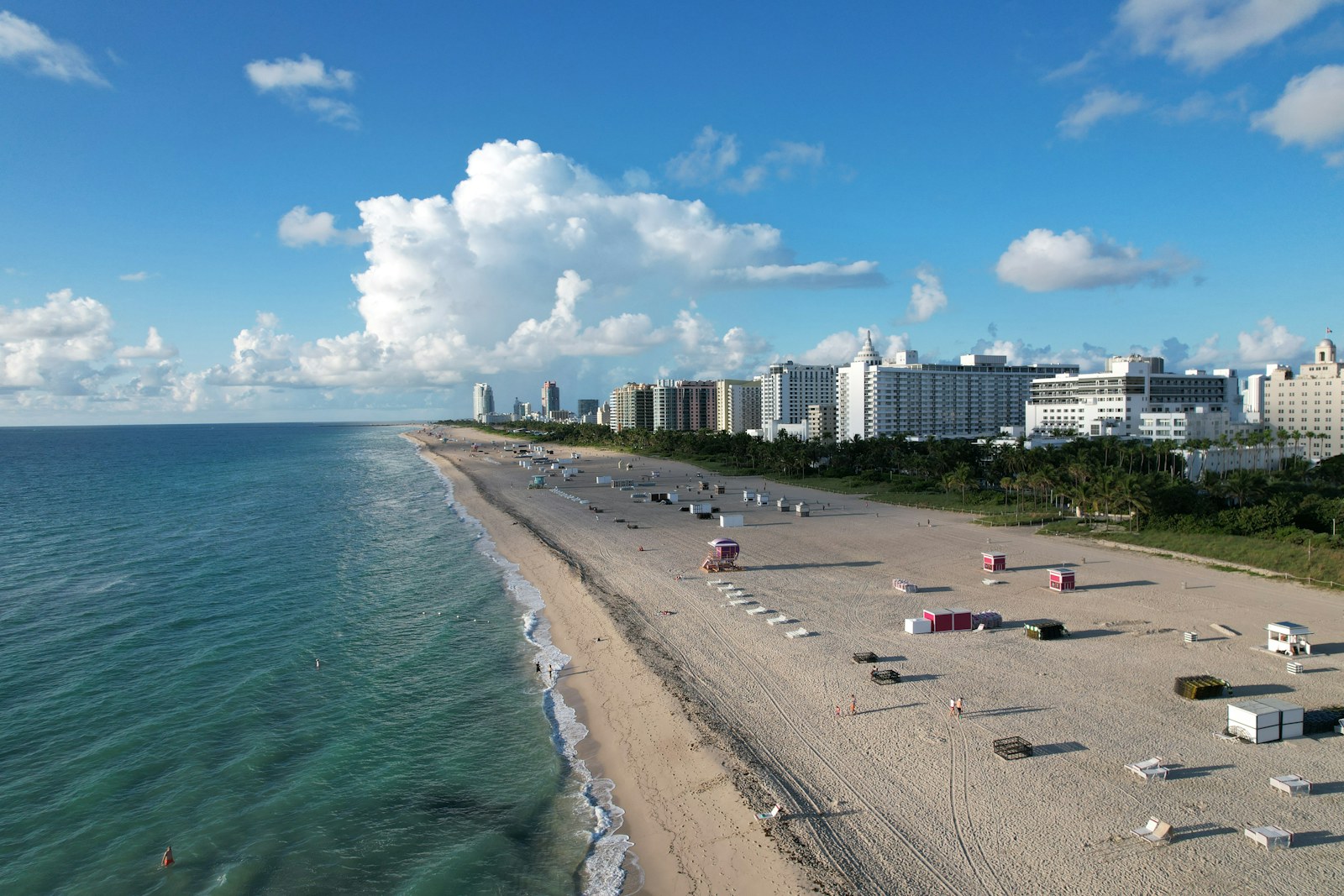
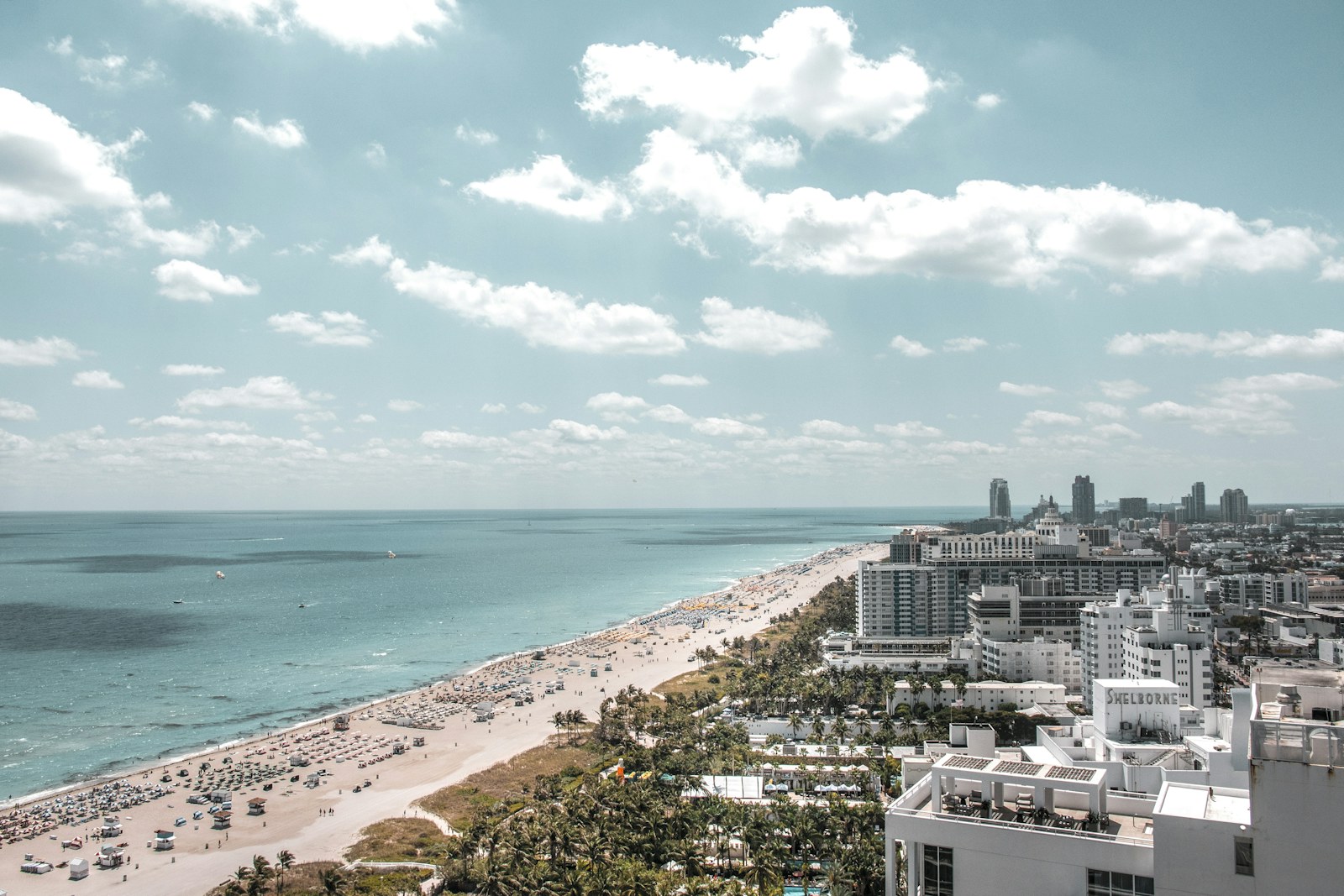
Photo by Emmanuel Appiah on Unsplash
After 40 years selling condos on The Beach, I tell buyers I care more about the numbers of the building they’re thinking of buying than about the view. It sounds harsh, but after the tragic collapse of Champlain Towers South in Surfside in June 2021, which took the lives of 98 people, and the state laws that have followed, it’s very practical.
If you own a Miami condo, or you’re looking to buy one, you know the monthly fee is only half the story. The other half is those pesky special assessment letters that keep coming in the mail.
The numbers matter. I see it every day. Don’t let the glitz and glamour cloud your judgment.
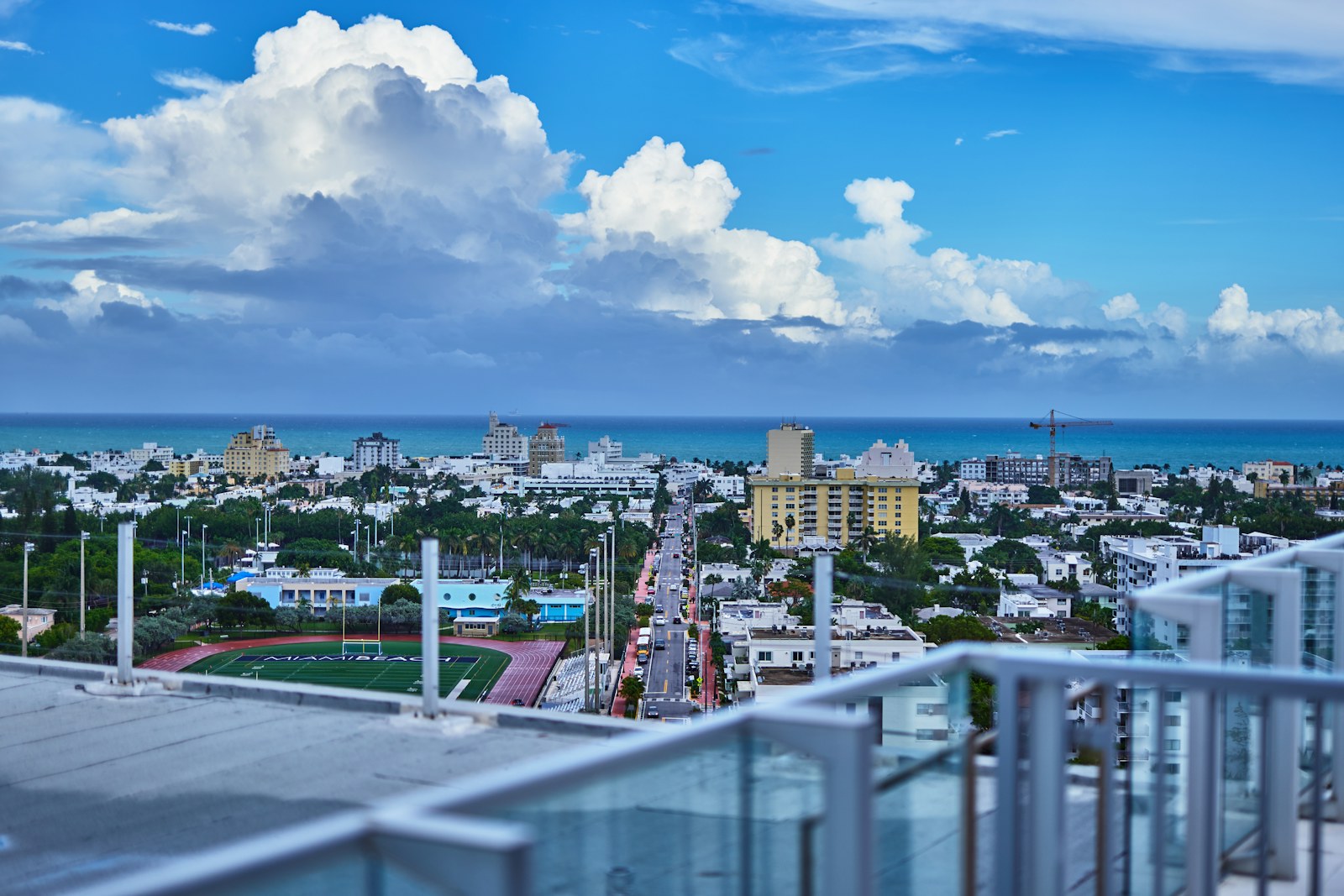
Photo by Cody Nottingham on Unsplash.
What changed after Surfside
After Surfside, Florida passed new building-safety laws in 2022 and has continued to fine-tune them since, most recently with HB 913 in 2025. The two most impactful requirements for unit owners are milestone inspections and structural integrity reserve studies, usually called SIRS. The intent behind these laws is straightforward: make sure buildings are inspected on a regular basis and that condo associations set aside actual reserves to perform major structural repairs. Sounds good, right? Except that now everyone has to pay up at once for all of the maintenance that has been deferred over the years. I’ve seen cycles like this. You can’t hide from physics, or bad accounting. Every association board now has to figure out where they’re underfunded. And fill the gaps. Which means higher fees, and in some cases special assessments because there just plain weren’t enough funds saved. It’s not pleasant. But it’s necessary. The laws are forcing attention on the actual structure of buildings: the steel, the concrete, the foundations, not just the aesthetics. And if your building needs work, you’re going to hear about it, and pay for it.
Milestone inspections: the building gets a checkup
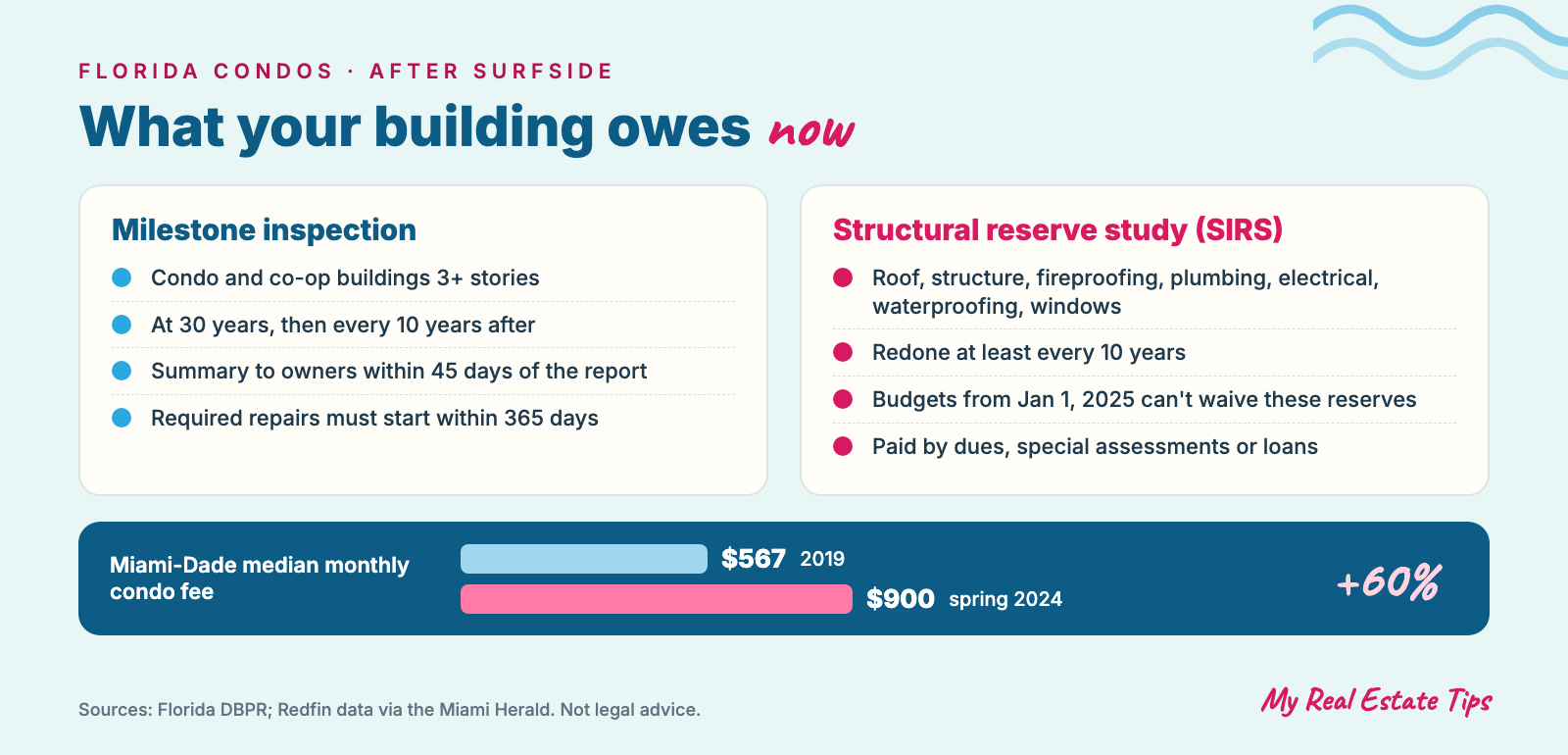
I can hear you groan. Yes, it’s coming out of your pocket in the form of higher monthly fees. I know. But at least you’ll still have a building to live in. Milestone inspections are required of habitable three story or taller co-op and condo buildings 30 years after their original certificate of occupancy. After that, the inspections must occur every 10 years. In some cases, the local jurisdiction can require the first inspection to occur 25 years after the original certificate of occupancy if local conditions warrant it. That is up to them, not us. A milestone inspection is really just that, a checkup on the condition of your building. The first phase of a milestone inspection requires a visual inspection of the building by a licensed architect or engineer. Walls aren’t coming down. If substantial structural deterioration is found, a second phase inspection may be required. This phase digs deeper, and it can mean testing that opens up parts of the structure. Let’s hope it doesn’t come to that. Your association is responsible for commissioning the milestone inspection. Once your association receives the report, they must provide you with a summary within 45 days. And if repairs are necessary, your association must commence the work within 365 days. Some projects take longer but, at the very least, the work must begin. There. Now you know.

Photo by Hector Falcon on Unsplash.
Reserve studies: no more skipping the savings account
The second big change is the structural integrity reserve study. It has to cover the roof, the structure, fireproofing and fire protection, plumbing, electrical, waterproofing and exterior painting, and windows and exterior doors. A reserve study must be performed by a certified reserve specialist, professional reserve analyst, licensed architect, or licensed engineer, and redone at least every 10 years.
Associations had to have one done by December 31, 2025. If an association does it together with a milestone inspection that’s due by the end of 2026, the deadline is December 31, 2026.
Beginning with the budget adopted on or after January 1, 2025, owners are no longer able to vote to waive or reduce funding for structural items included in the reserve study. Associations that waived those reserves on older budgets had to start funding them on January 1, 2026.
Reserves must be funded from somewhere, such as increased monthly assessments, special assessments, a loan or a line of credit. Whew.
Remember, it is always cheaper to maintain than to repair or replace. I’ve seen enough buildings to know that deferred maintenance is always more expensive. Reserves keep the building healthy and protect the value of your home. Don’t let your association ignore them.
Why the monthly fee keeps climbing
According to Redfin data reported by the Miami Herald, the median monthly condo association fee in Miami-Dade County was $567 in 2019. By the spring of 2024 it was $900, a jump of about 60 percent.
Reserves are part of that, but not all of it. Insurance is a big driver, along with staff and maintenance costs. In some cases, if a building did not properly fund its reserves in past years and is now working to catch up, you may see a significant increase in your budget. It may seem like a shock when you receive your association’s budget and see a significant increase in fees, but it’s important to do your due diligence before purchasing a condo unit to avoid any surprises.
If you’re in the market for a condo, it’s important to know that the lowest price doesn’t always equate to the lowest monthly payment. Make sure you’re comparing the total monthly payment between condos, including mortgage, taxes, insurance, and association fee, before making a final decision.
Special assessments: the bill nobody budgets for
Have you heard the term “special assessment” bandied about at your (or a potential) condo board meeting? It’s an assessment, which is a one-time charge to all owners, to cover the cost of a specific project. It can come as a rude awakening after closing, kind of like a surprise tax.
These days, they’re especially likely to follow a milestone inspection that uncovered the need for structural repairs.
Some associations avoid (or at least defer) a special assessment by borrowing the money and paying it back over time by increasing monthly condo fees. Either way, owners foot the bill.
Under the 2025 law, if a majority of owners approve, an association can pause its reserve contributions for up to two budget years after a milestone inspection and put that money toward the repairs the inspection found. Then it has to update its reserve study before it goes back to regular reserve funding.
It’s worth checking condo association meeting minutes to see if a special assessment has been approved, proposed or is even just being discussed. Silence on the issue at board meetings doesn’t necessarily mean you’re in the clear. Quite the contrary, it may be in the planning stages. Ask.
If you are buying: read the building before the unit
The building matters more than the unit. That balcony is cute, but make sure you’re buying in a financially healthy community. On a resale transaction, Florida law requires that the buyer receive certain association documents before closing. These documents include the budget, the summary of any milestone inspection and the most recent SIRS or a statement that none was done. These are important documents and will give you an idea of the financial health of the community. Florida law also allows a buyer in a resale transaction the right to cancel within a certain number of days (ask your agent) after receipt of the association documents. Make the most of this time by reading these documents and knowing what you are getting into before closing. Here are some key things to look for in these documents: Review the reserve study and look at the funding plan. Is the community following the reserve study recommendations or do you foresee special assessments in the near future? What’s not being funded now, could end up being your problem (and expense) later. Read the last year’s minutes, as special assessments, litigation, insurance and construction issues tend to surface in the minutes before anywhere else. Think of it as reading the diary of the building. Call the management office to find out the current monthly fee, if there are any pending or approved special assessments and when the last milestone inspection was done. Many lenders also look at the financial health of a community before they approve a loan, so this is something you want to know about up front as well. The numbers don’t lie and will tell you much more about your investment than the color of the paint.
If you are selling: get ahead of the questions
It’s much better to be prepared than caught unaware with a barrage of questions from buyers. Have the answers to their questions at the ready before the first showing.
Have a folder ready that is easily accessible to the buyer’s agent with all pertinent documents for the association. This should include the summary of the milestone inspection, the SIRS, the current budget, any assessment notices, etc. This should be readily available upon execution of contract.
Have a strategy in place, in coordination with your agent, as to how you will handle the situation if there is a current approved assessment. Will you lower the sale price to cover the cost of the assessment? How will it be addressed in the contract? Whatever you decide, have it figured out ahead of time.
Is a Miami condo still worth it?
For a lot of people, living in a Miami condo is still worth the price of admission. Who doesn’t want an unbeatable view with no grass to mow? It can sound like the perfect dream lifestyle. But the math on buying a condo is different than it used to be.
The best (safest) condo to buy is one that has already made the investment. I can’t stress this enough. Sometimes a condo with a slightly higher monthly fee can end up being less expensive in the long run (five years) than a condo with a lower monthly fee and an assessment coming. I’m not kidding. Assessments can really empty your pocketbook (and savings account).
Know before you buy. Review the documents and the reserve study before making an offer. You’re buying the condo building just as much as you’re buying the condo. It’s better to pay a little more now than be upset later.
Photo by Pedro Bariak on Unsplash.
Rules and numbers in this article come from the Florida Department of Business and Professional Regulation’s milestone inspection and SIRS guidance, HB 913 (2025), and Redfin data reported by the Miami Herald, with background from WLRN. Condo law keeps changing, so confirm the details for a specific building with the association and a Florida real estate attorney. For more on buying near the water, read king tides in Miami Beach, and for the rest of the monthly math, the hidden costs of buying a home.
Featured photo: Emmanuel Appiah / Unsplash.