What Amendment 3 Means for South Florida Homeowners, Buyers and Sellers


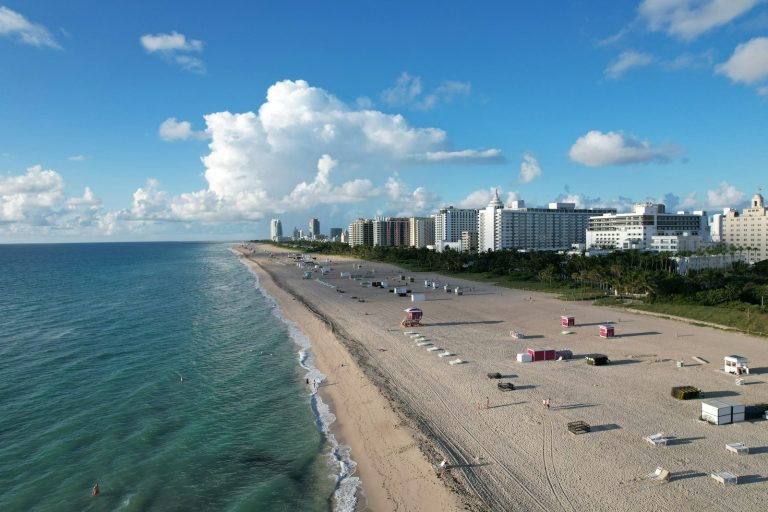
Photo by McGill Productions on Unsplash
On Nov. 3, Florida voters approved Amendment 3 (Save Our Homes From Excessive Property Taxes) by about 62 percent, which is more than the 60 percent needed to pass constitutional amendments.
The measure was sent to voters by the Florida Legislature during a special session in June 2026. It passed the Florida House 75-26 (championed by Rep. Toby Overdorf) and the Florida Senate 30-9 (championed by Miami-Dade Sen. Bryan Avila).
What Amendment 3 does:
- It increases Florida’s homestead exemption (the portion of your home’s value that isn’t subject to property taxes, which only applies to the home you live in year-round).
- It slows how fast the taxable value of non-homestead properties can rise (business, rental or second homes).
- It places restrictions on what local governments (cities and counties) can spend property tax money on.
Gov. Ron DeSantis said he’ll call another special session within two months to put the changes in place. Most of the changes will take effect on Jan. 1, 2027.
If you’re buying or selling, there’s one deadline to know. That deadline is December 31, 2026. If your permanent home is in Florida as of that date, you’ll get the full new exemption. If you move to Florida after that, though, you’ll get a smaller exemption for your first four years.
Already have homestead? Good news, mostly
If you own and live in your home, Amendment 3 increases the amount of your home’s value that is exempt from all property taxes except school taxes from about $50,000 to $150,000 as of January 1, 2027. As of January 1, 2028, the exemption will increase to $250,000. After that, the exemption will continue to increase each year to keep up with inflation. The $25,000 exemption from school taxes has not changed with Amendment 3, so you’ll still pay the school part of your bill.
Amendment 3 also doesn’t change Save Our Homes, the cap that keeps your homestead’s assessed value from going up more than 3 percent a year, or inflation if that’s less.
So what does that save you? If your home is assessed at $400,000 and the combined non-school tax rate is 1.2% (Florida calls that 12 mills), Amendment 3 will save you about $1,200 in 2027 and $2,400 in 2028. (That works out to $12 of tax for every $1,000 of value.) These are estimates only since counties and cities set their rates each year. Your TRIM notice sent each August will tell you the rates that apply to your property.
What if you’re in a condo assessed at $200,000 instead of a house assessed at $400,000?
In 2027, it saves you about $1,200, the same as the person in the $400,000 house. That’s because the exemption is growing by $100,000 for each of you.
In 2028, your entire condo will be exempt from non-school taxes. Because the exemption can’t be worth more than your home, it saves you around $1,800 compared with today (instead of $2,400).
The bottom line for you? The exemption is worth a set amount of money, not a percentage. That means it has a larger impact on folks in smaller homes and condos.
Around $1,200 a year works out to about $100 a month. That’s a couple of nice dinners out.
When will I see the savings? You will see the savings on your 2027 property tax bill, which will be mailed in November 2027. Before dreaming up that vacation or kitchen remodel, wait for the savings to actually show up on that bill.

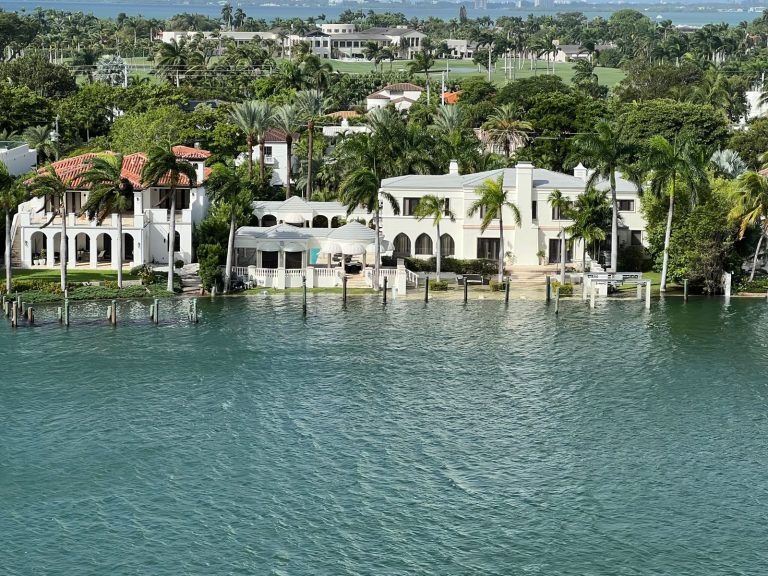
Photo by Matin Keivanloo on Unsplash.
Moving here? Mind the December 31 date
If you didn’t have a permanent home in Florida as of December 31, 2026, you’ll start out with an exemption of only $50,000 (aside from school taxes).
Don’t fret too much about this. Starting in 2028, your exemption will go up with inflation. And starting with your fifth year of the exemption, you’ll get the same amount as other Floridians. So you’re really only out of luck for a short time.
Let’s say you retire from New York and make Miami your permanent home in March 2027. You’d qualify for the $50,000 exemption. Your neighbor’s home is assessed at the same $400,000 as yours, on the same street, with the same 1.2% non-school tax rate. But because your neighbor made Florida their permanent home before December 31, 2026, they’ll get the $150,000 exemption in 2027 and the $250,000 exemption in 2028.
All other things being equal, in 2027 you’ll pay about $1,200 more in non-school property taxes than your neighbor, and roughly $2,400 more each year after that until the fifth year of your exemption, when you finally catch up. Same home. Same street. Different property tax bill.
The date Florida becomes your permanent home, not the date you buy your house, decides which exemption you get. Until the Legislature writes the rules for this part, it’s unclear what proof you’ll need. Contact the property appraiser in your county to find out what they’re likely to ask for.
It may seem unfair that someone who moved here a few months earlier gets a bigger exemption, but that’s the law. It may cost you a bit extra in the short run, but you’ll still get some of the benefit, and that’s better than nothing.
More details still need to be ironed out by the Florida Legislature. But starting in 2030, cities and counties will be allowed to vote to shorten that five-year wait for a critical local need. So depending on where you move, you may be in luck.
If you’re considering moving to Florida in the next year, talk with a tax pro and your county property appraiser before finalizing your closing date. I’m not trying to scare you. I just want you to sleep well at night.
Already a Florida resident mulling over a move to a smaller home? Then you can relax (and keep sipping that coffee) because this change does not apply to you.
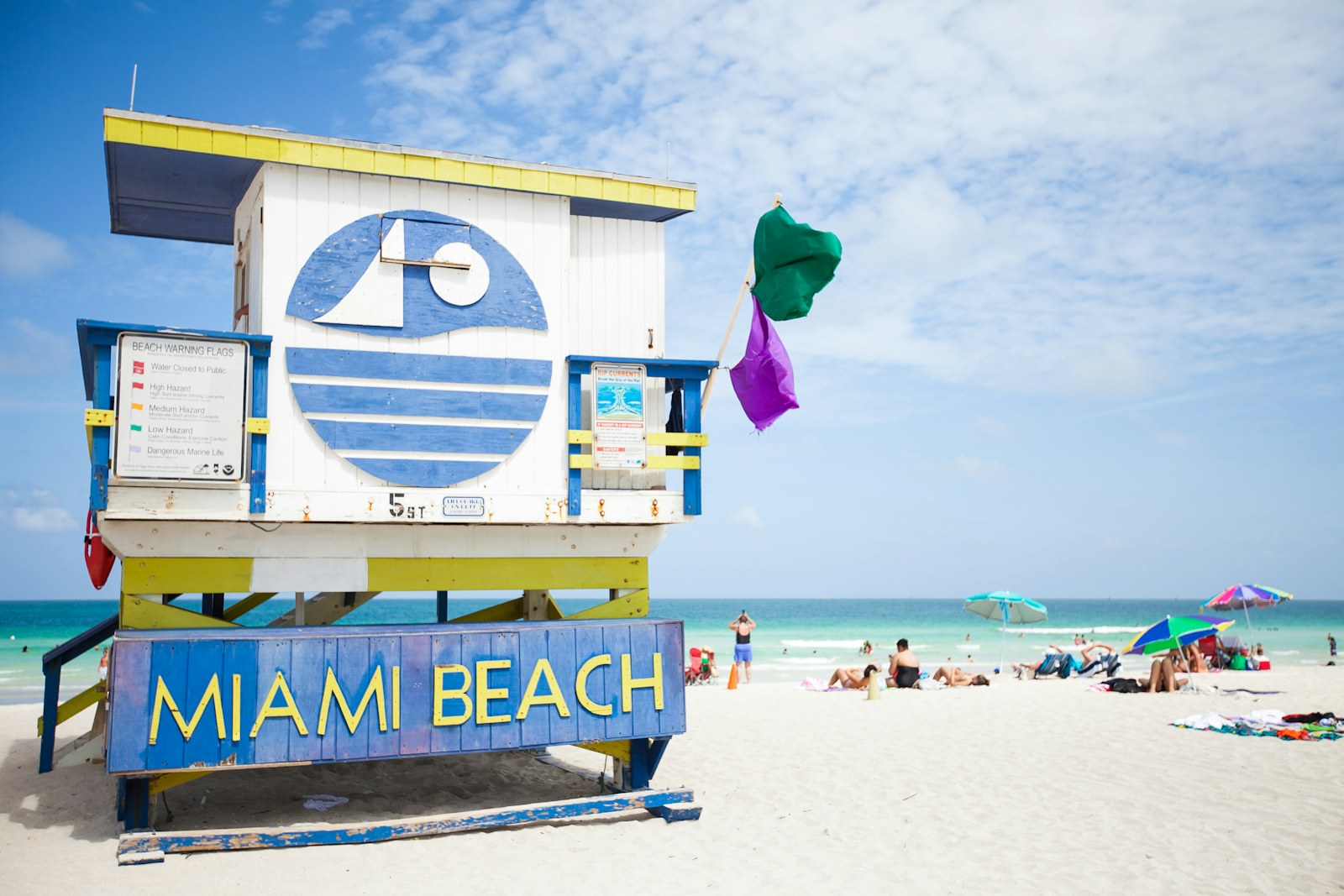
Photo by Marc Fanelli-Isla on Unsplash.
Buying from a long-time owner? Ignore their tax bill
Property taxes can be deceiving.
If you’re purchasing a home that the seller has owned for a long time, the taxes listed in the MLS may be nowhere near what you’ll pay. Upon sale, Save Our Homes is removed and on January 1 of the following year the property will be assessed at market value (this is not changing with Amendment 3). Depending on your situation (especially if you’re coming from another state and start with a $50,000 exemption), this may mean your taxes will be significantly higher than the seller’s.
Miami-Dade has a great Tax Estimator where you can enter your purchase price and get an estimate of what you will pay. It’s best to run your own numbers.
Timing can matter as well. To qualify for homestead for a year, you must own the home on January 1st of that year and be living in the home as your permanent residence. If you close in December and are living in the home on January 1st, you’ll get the homestead exemption a whole year sooner than if you closed in January.
The December 31, 2026 date in Amendment 3 is about when you moved to Florida, not when you closed on the property.
If you’re relocating to Florida, I highly recommend you call the property appraiser’s office to find out if you’re eligible for homestead before making an offer. Don’t guess.
Once you’ve closed on your home, apply for homestead with the property appraiser’s office by March 1 of the year following your purchase.
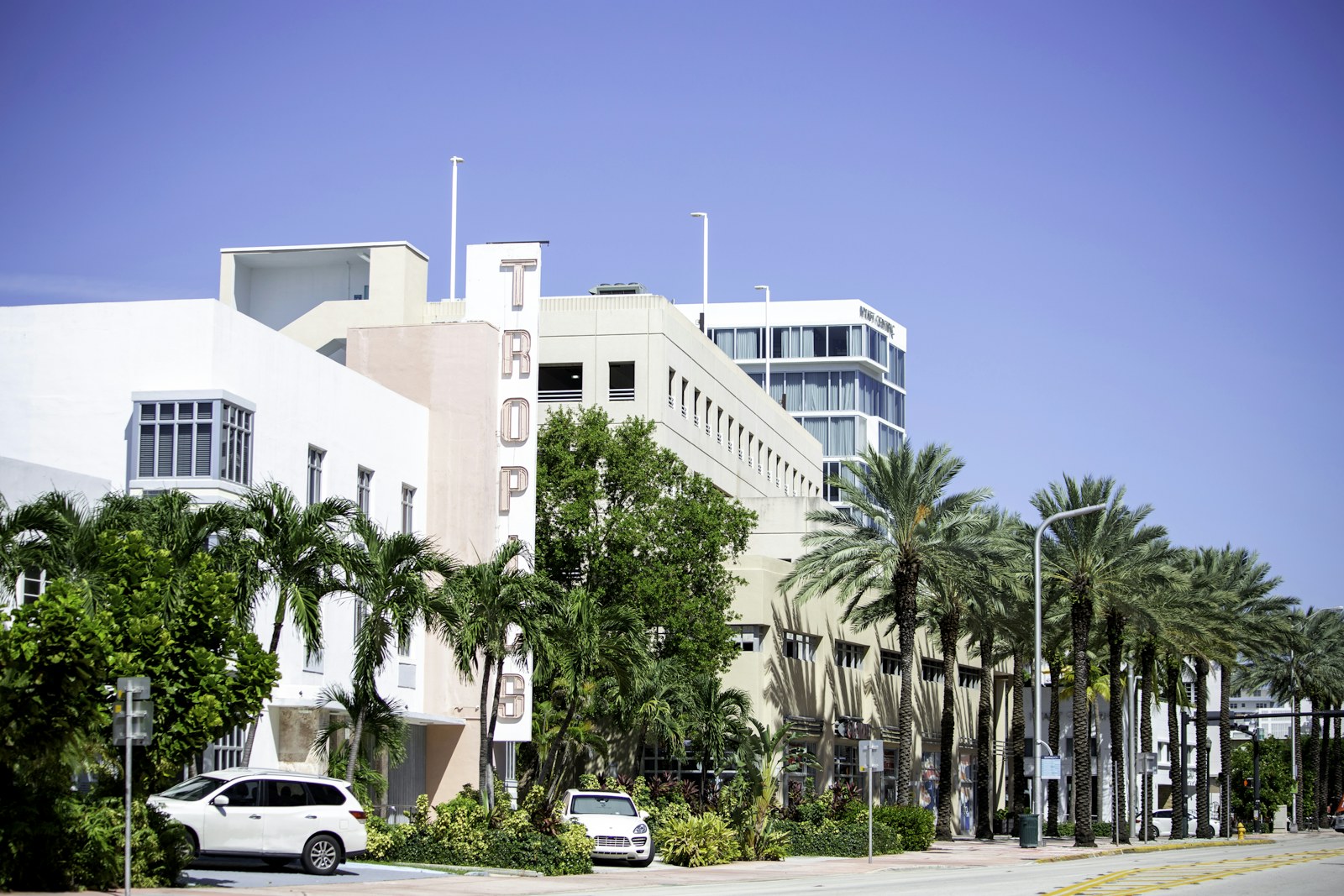
Photo by Hector Falcon on Unsplash.
Second homes and rentals get a speed limit, not a discount
Starting January 1, 2027, there’s a new 5% annual cap on increases in the assessed value of non-homestead property (down from the current 10% cap). Non-homestead property includes rental units, commercial properties, and yes, second homes.
Let’s be clear: this does not magically lower property taxes on second homes. What it does is limit how fast the assessed value can rise each year, to 5% instead of 10%. Think of it as a speed limit.
So if a second home’s assessed value is $300,000, it can rise by no more than $15,000 in a year instead of $30,000. Also note that this cap, like the 10 percent cap it replaces, doesn’t apply to the school part of your taxes.
When a property sells, its assessed value resets to market value, and the 5% cap starts over for the new owner.
As for who qualifies for the homestead exemption, no change there. Only your primary, full-time residence qualifies. So that condo you’re eyeing as a winter escape? No-go. Sorry.
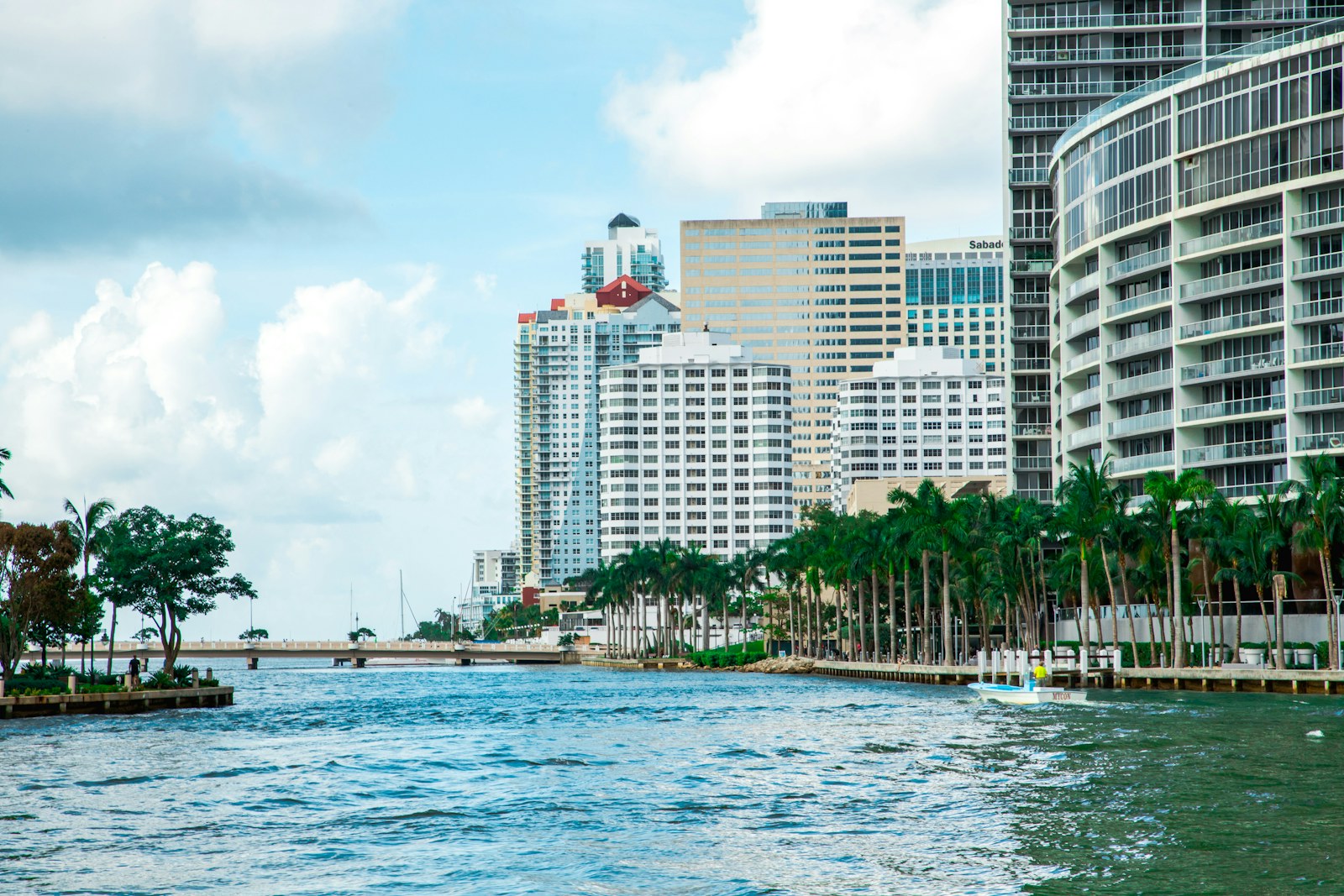
Photo by Pontus Wellgraf on Unsplash.
What else changes (and what’s still up in the air)
Amendment 3 also places some restrictions on how counties and cities can spend property tax money. It can only go to public safety, schools, roads and bridges, flood and stormwater control, natural resources, paying debt on county or city bonds, employee retirement benefits, and running the county or city government.
But wait, there’s more. The Florida Legislature still has to pass a law that lets counties and cities raise the homestead exemption even further on their own property taxes, up to the full value of a home. Certain special taxing districts can also raise it, but only if their voters approve. So stay tuned. Depending on where you live in Miami-Dade County, your property taxes could change differently than property taxes in a different city.
Don’t assume everything has been decided just because you read about it in a headline.
If you’re selling, here’s my two cents
If the buyer already lives in Florida and is eligible for homestead, the larger exemption may make your home seem more affordable. That’s a plus. I’d avoid putting tax figures in your listing, though, because what a buyer pays in taxes depends on what they pay for the home and whether they get homestead.
Taxes will probably come up, especially if your buyer is from out of state and thinking about that December 31, 2026 date. Rather than guess at what their taxes will be, have the link to the Miami-Dade Tax Estimator ready so your buyer’s agent can run the numbers on their offer price. If your buyer already lives in Florida and is selling a home here, the changes may work in their favor, because they get the bigger exemption on their new home, and the numbers might look more appealing that way.
Should I sell my home because of this? Should I buy a home because of this?
No and no. Taxes are only one part of owning a home. I’d focus on the home first. Do you like it? Is the neighborhood right for you? Is it the right size?
Reach out with any questions about your home, and we’ll figure it out together.
Related: The Hidden Costs of Buying a Home · Who Pays Closing Costs in Florida? · The Downsizing Math
Featured photo: McGill Productions / Unsplash.