Non-Negotiables You Should Have When House Hunting


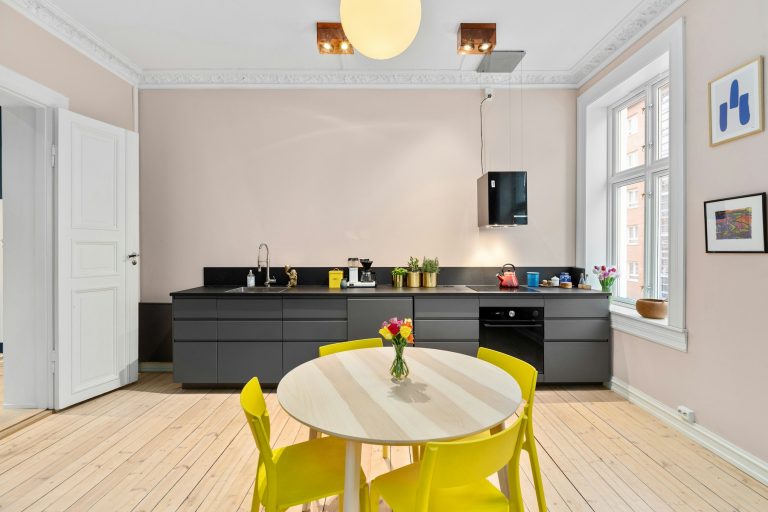
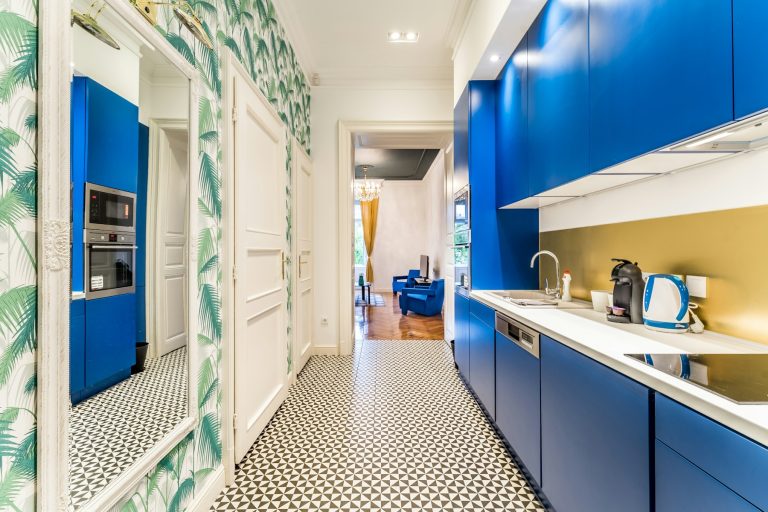
Photo by Ivana Rodriguez on Unsplash
You may have a list of twenty items that you think are important but as soon as you walk in the door of your first house you’ll realize there are really only three that are critical to you.
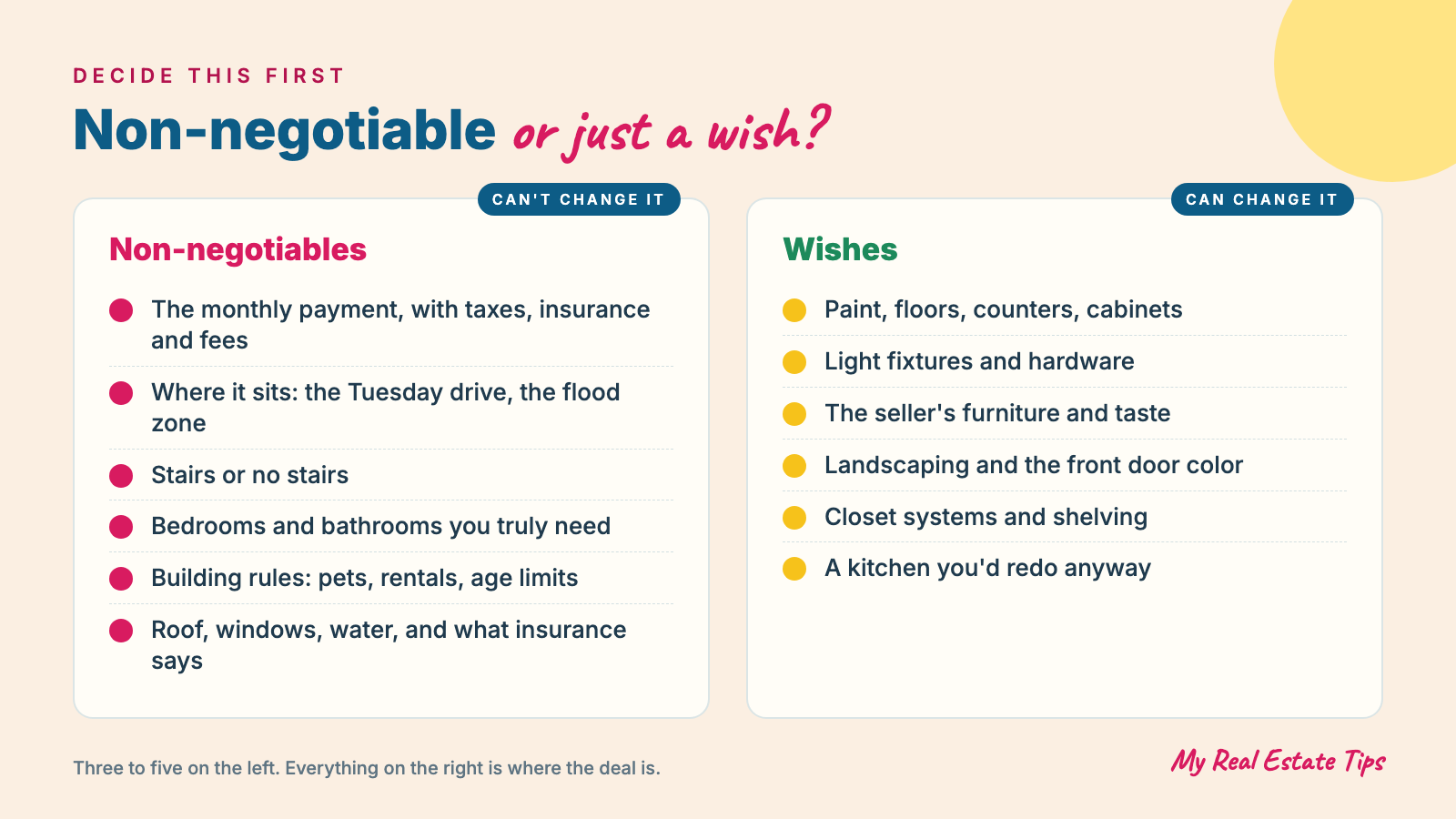
A wish is not the same as a non-negotiable. Non-negotiables are things you absolutely cannot live without and cannot be changed after you purchase the home. Everything else is a wish and is negotiable. It’s in the negotiation where deals are made and broken.
This is where I ask my buyers to focus first, identify your non-negotiables. How many? Three to five. How? Before you start looking at homes. And yes, I mean sit down together (all the folks that will be living in the house) and figure out what your non-negotiables are and write them down. Why? Because after forty years in real estate I can tell you this: buyers that focus on non-negotiables suffer less buyer’s remorse than those that don’t. I can think of nothing more painful than a buyer that fell in love with the kitchen but hated living on a third floor walk up. Figure out what you need versus what you want. It may not be easy but it will be worth it.
1. A monthly number you can actually live with
Your bank will pre-approve you for a certain amount of money, but that’s not how much you should be spending on a home. That’s how much your bank is willing to lend you.
When you’re house hunting, especially in Florida, the mortgage payment on the listing isn’t the only monthly housing-related cost you should consider. There’s also property taxes, homeowner’s insurance, and (depending on where the home is located) possibly flood insurance. There might also be HOA or condo fees. All of these costs can vary wildly, even between two homes that have the same purchase price. Maybe one house has a higher insurance bill, but a lower tax bill than another home. This could make the difference between one house being within your budget and the other not.
To figure out how much home you can afford, think about what monthly payment you can comfortably make and still take a vacation, fix your car, and make your other payments and savings contributions. Figure out what number you can comfortably pay every month and write it down. When you’re touring homes, pay attention to the total monthly cost of the home (mortgage + taxes + insurance + HOA/condo fees). If it’s more than the number you jotted down, don’t go in. It’s so easy to fall in love with a house you can’t afford, save yourself the heartbreak by focusing on what you can afford instead of the purchase price of the home.
2. A location that works on a Tuesday
I tell my clients all the time. The house is only as good as the Tuesday morning drive.
Think about the places you frequent. Where do you go to work, school, the gym? Who are the people you see the most? These places and people should factor into where you live.
Test drive the commute on a Tuesday morning. Drive at the same time you would normally drive there. You’ll get a sense of what the traffic is really like. Don’t just drive past it on a Sunday while you’re touring houses.
In South Florida it’s important to know if you live in a flood zone and evacuation zone. The maps are available online. It’s a public document. Better to know now, than later.
Think about who your neighbors will be. Is there a bar next door? A school? Vacant lot that could potentially be built on? These are important considerations. I’ve seen people make bad decisions in this area and regret it.
Think long term. You can redo the kitchen. Refinish the floors. Repaint the walls. You can’t change the location. Choose wisely. Make sure it will work for you not just today, but every day.
If you can picture yourself living there, if the Tuesday morning drive works for you, this may be the house for you. If not, keep looking. There are plenty of other houses out there.
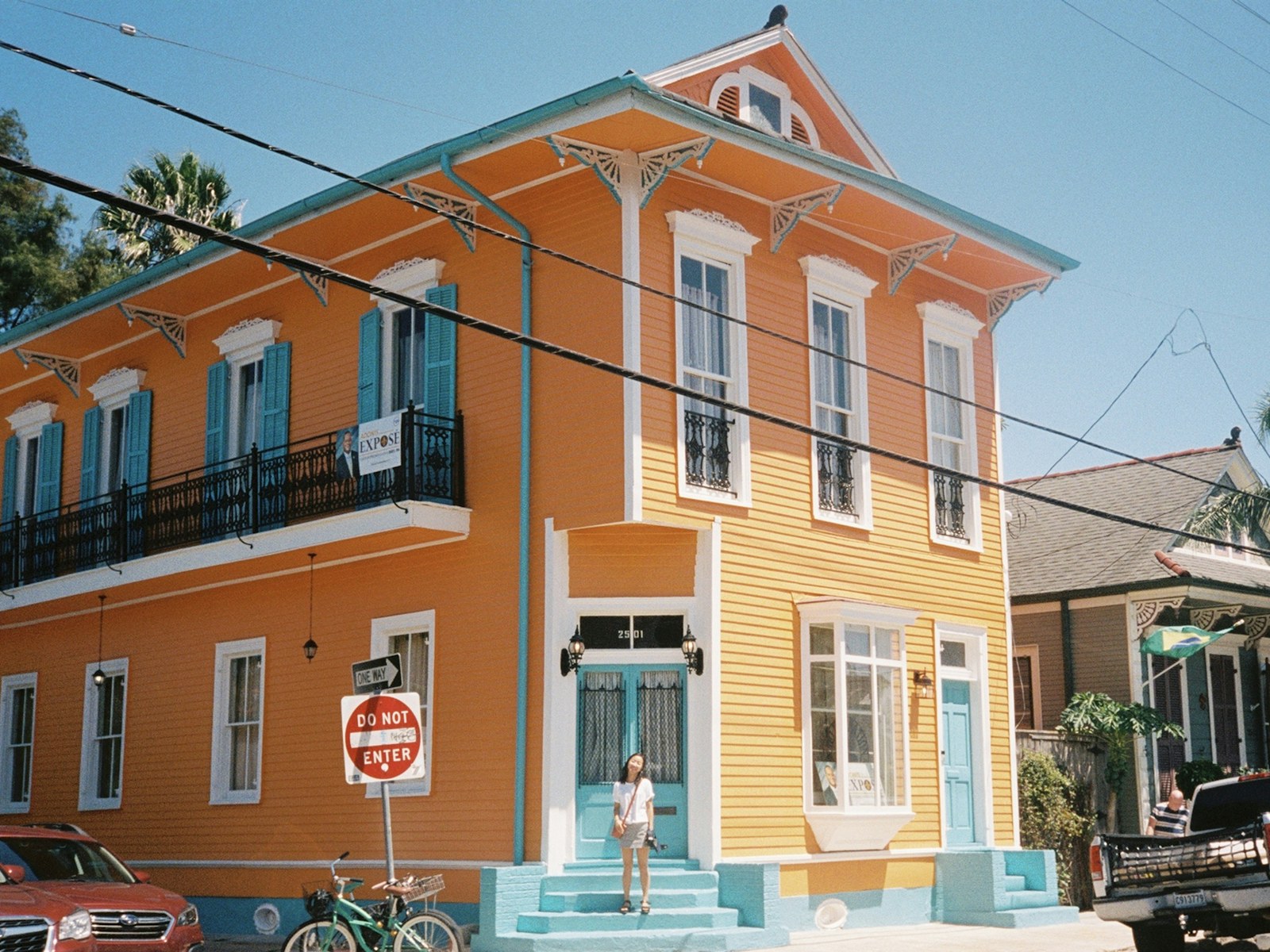
Photo by alice kang on Unsplash.
3. Stairs, or no stairs
Stairs or no stairs is a big deal. When viewing a condo, ask about the elevator. How many are there? How old are they? What do you do when the elevator is out of order? Are you shopping for a two- or three-story townhouse but there’s no elevator? Unless you’re willing to lug everything you need up the stairs, every single time, it’s not going to work. This is especially true if you have little ones or parents that visit regularly and use a walker. Or if you simply want to avoid putting stress on your knees. It’s easy to overlook the importance of easy access when you’re in awe of a property’s view or swooning over a beautiful kitchen remodel. But, if you want to make a smart decision, it’s crucial to focus on what your everyday life in the space will be like. Especially if you envision owning the property long-term. Invest in a home that you could still feel comfortable living in at age seventy. One-level living or an elevator in your building is one of those decisions that can’t be easily remedied after the purchase, so it’s best to get it right from the start. It’s a simple concept, but one that could save you a lot of heartache later on.

Photo by Beth Macdonald on Unsplash.
4. The rooms you can’t add
You can easily repaint, replace the cabinets, counters, flooring and light fixtures. You can move some walls. You can’t easily (or affordably) move plumbing or relocate the kitchen. And you can’t easily (or affordably) add a bedroom or full bathroom, especially in a condo. So focus on what you can’t change, as it will save you a lot of headaches. Figure out exactly how many bedrooms you need (and who will be sleeping where). How often will you be working from home? Do you foresee ever having an aging parent move in with you? It’s easy to overlook the need for a third bedroom (or whatever number you need) until you’re in a situation where you desperately need it and realize you can’t afford the home anymore. Or you don’t overlook it but don’t really need that third bedroom and realize you’re paying for something you don’t need every month. Don’t fall in love with a home over a nice coat of paint, only to overlook the fact that you really, really need another bathroom.
5. Rules you can live under
The rules and regulations of a condo/HOA can dictate a lot: rentals, parking, pets, age restrictions, balcony usage. There are some restrictions that are non-negotiables for me. For example, if the building is 55-and-over or doesn’t allow dogs. Before making an offer on a condo, I encourage my buyers to obtain and review the documents. The budget and reserves are extremely important. Buildings with low reserves are a special assessment waiting to happen. Special assessments cost you money later. As a buyer, it’s important to know what percentage of the building is rented out. Is there a waiting list to rent your unit if you want to? If half the residents are absentee investors, it can affect the feel of the community. Realtors should be well versed in the ins and outs of the association and so should buyers. Don’t skip this step. It protects your investment and your wallet. I’ve seen too many buyers not pay attention to these details and it’s been too late for them. The documents tell you so much about a building. You can usually tell if the management company is on top of things or behind. I want to live in a building where I’m comfortable and feel safe. For me, that starts with knowing there are rules and regulations and they’re being followed. A disorganized HOA is a stressful situation for all involved. Go through the documents cover to cover. If you’re confused about something, ask questions. You’ll thank yourself later.
Fill this in
My non-negotiables
Three to five. Decide them with everyone who will live there, before the first showing.
- 1.
- 2.
- 3.
- 4.
- 5.
Monthly number: ______________ Stairs: yes / no Pets: yes / no Fixer: yes / no
6. How much work you’ll really take on
Don’t assume you can renovate a house because you watched a few videos online. Be honest with yourself about what you’re capable of and how much time you have to renovate a house.
Decide ahead of time if you’re a fixer-upper person before you go look at houses. Don’t wait until you’re standing in the kitchen of the fixer-upper that is below market price to make up your mind.
Get the actual cost of the renovation. Ask a general contractor for an estimate before you make an offer on a fixer-upper.
Construction and renovations that once took eight to twelve weeks can now take double or triple that in South Florida. And the costs of renovation increase with that lag time.
If you’re paying top dollar for a house that is already totally done, you’re going to get what you see. There are no construction headaches.
Neither option is better than the other. The only wrong answer is to think you’re one type of buyer when you’re really the other.
Don’t underestimate the amount of work that goes into renovating a house. Know what you’re getting into.
Figure out ahead of time what you’re capable of so you do not end up regretting your decision later.
7. Light, noise and what’s outside the window
Orientation can’t be changed, and neither can the sounds you’ll hear day to day.
Before you fall in love with a home, stand on the balcony (or in the backyard or front yard) and listen. Are there honking horns from the nearby highway? Music from the neighboring bar? Planes flying over? People talking on the nearby pool deck?
And when you visit a potential home, do so more than once at different times of the day.
Why? Because a unit that sparkles in the bright morning sun can look like a cave by four o’clock if the sun doesn’t shine into the living room in the afternoon.
If you love the sunshine, make sure the rooms you use most get the rays you crave, and when you crave them.
And if the sounds of traffic make you wince, no amount of insulation is going to help.
Granite countertops are nice. But so is serenity. And unless you’re planning to live in a condo all winter long, a yard (even a small one) is going to be important to the health and happiness of any dog you may have, or plan to have.
Outdoor space is going to mean different things to different people. Some folks want a balcony to sip coffee on. Others would prefer a yard for the kids or the dog to romp in. Some people would be perfectly happy with neither.
What outdoor space do you want? Figure that out before you visit a potential home, because unlike the decor, you’re not going to be able to redecorate.

Photo by Tristan Gevaux on Unsplash.
8. Hurricanes, roofs and water
In Florida, hurricanes can have a big influence on what you can afford, because of insurance companies. Insurance companies influence which homes you can afford because some will not cover older roofs and some will increase the premium rate to cover them. If you find yourself loving a home that falls into either of these categories, you might want to rethink. If the roof is new, on the other hand, that’s a plus. Make sure impact windows or at least shutters that actually work are on your list. And before you buy, find out which it is. That can have an influence on your level of comfort when hurricane season rolls around.
Don’t forget about the cost of flood insurance. How much that is going to cost you is influenced by the elevation of the house and which flood zone it’s in. If the house is in a high-risk flood zone, you should budget for paying for flood insurance every month, for as long as you live there. Again, it’s helpful to ask for the cost of insurance on the house before you make your offer. This way you’ll know the actual cost of owning the home and can budget accordingly. It’s better to ask up front than be caught with a surprise later on. I’ve seen people get caught with bills they didn’t anticipate and it’s just an unnecessary source of stress. A little leg work can save you from unpleasant surprises down the road. Your peace of mind is worth it.

Photo by Zoltan Tasi on Unsplash.
9. A home you can sell
Every home is eventually someone else’s. This is especially true if there are one or more features that make it a harder sell. Maybe it’s on a busy road, there’s no parking, it has an odd layout, it’s the only house on the block without a garage, or there are lawsuits associated with the building. I always tell my clients to ask their agent, “Who buys this after me?” If you can’t figure that out, move on. Being able to leave is a non-negotiable people never put on the list. You might love the home you are touring today, but what if you get a new job tomorrow that transfers you to another city? What if your family grows? If you can’t easily sell your home to someone else down the road, you may be stuck there longer than you would like. Don’t let emotion cloud your judgment, be smart and factor in who the next buyer could be when house shopping.

Photo by Cristina Gottardi on Unsplash.
10. The one thing you keep explaining away
After four decades as a real estate agent here in Florida, I can tell you this: Every buyer I’ve ever worked with had something they tolerated in a home.
The commute. The stairs. The no-dogs rule. The street that’s a little too busy.
The thing is, if you’ve talked yourself into tolerating something three times, it’s probably not something you should tolerate. Write it on your list and avoid homes with those traits. I promise it will save you time and heartache.
When you’re in the excitement of looking for a new home, it’s easy to overlook things that are important to you. In year two, you’re not going to think that kitchen made up for it. And repainting those walls isn’t going to get rid of that noise or that smell.
So decide in advance what you won’t tolerate, and stick to your list. That way, you’re only making the decision once (and making it calmly), instead of in every kitchen. And you’re not allowing others to convince you that you’ll live with something you won’t.
Make your list short and easy to follow. Let your deal-breakers lead you to a house you’ll love, with no regrets.

The small checks people skip on a showing
Don’t believe everything you see in a staged home.
Staging can help mask a number of problems. Check closets for clutter and peek behind wall hangings. Also, peek under rugs. And make sure you know which furnishings stay and which the sellers will take with them.
Check cell phone coverage. Can you make a call from every room in the house? Especially from the kitchen and bedroom? If not, it can be very frustrating. Also, find out who the local Internet provider is and what type of service and speeds are available. This is important information if you plan to do any working from home.
Test out plumbing. Turn on faucets and flush toilets. Check the shower. Note if there’s low water pressure or if the hot water takes a long time to come on. If so, that’s important information to know before you make an offer (and potentially save you money in the future).
What are the utility costs?. Ask the seller for the last 12 months of utility bills, especially for water and electricity. Depending on the age of the air conditioning, summer electric bills can be surprisingly high in Florida.
What are the neighbors like?. Check out the home at different times of the day (including night) and on weekends to get a feel for the neighborhood.
Are there any plans for development in the area?
Check with your city or county planning website for any projects being planned. Even if you love a view from your yard, that can change if there are plans to construct a high-rise building nearby. Even a project like expanding a road can have an impact on a home’s neighborhood feel.
How to use the list on a showing
Don’t let this list evolve during a home showing, even though it will evolve during your home tours. Stick to your guns.
As you tour you’re going to start to get a feel for what’s important to you and what’s not. But during a home showing, you should go in with your list and use it to evaluate the home. Don’t go in and think, “Oh, look at that kitchen.” First go through your list. If there’s something on there that the home doesn’t have, it’s a no-go. Doesn’t matter how fabulous it is. On the other hand, if it has everything you’re looking for, it’s worth another look. Even if it’s ugly.
If you’re looking at condos, you absolutely need to do this. Don’t see more than seven in a day. It’s amazing how quickly the units start to blur together. You need to be on your game here.
Print out your list of must-haves and bring it with you to your home showings. After each showing, jot down your thoughts on that piece of paper, in the car, before you go look at the next place. This will help you stay organized.

Photo by Growth + Co. on Unsplash.
The showing-day checklist
Print this
Before you say yes to a second look
- Passes every non-negotiable on my list
- Monthly cost checked with taxes, insurance and fees
- Drove the route at the real hour
- Flood zone and evacuation zone looked up
- Roof age and windows or shutters noted
- Insurance quote requested
- Condo documents, budget and reserves requested
- Visited at a second time of day
- Asked: who buys this after me
- Looked behind the staging: closets, rugs, what conveys
- Ran the shower, flushed a toilet, timed the hot water
- Checked cell reception in every room
- Internet provider and speed confirmed
- Twelve months of utility bills requested
- Planned developments nearby looked up
- Walked the block at night and on a weekend
- Notes written on the listing sheet before the next showing
Featured photo: Ivana Rodriguez / Unsplash.