
The Stairs Test: Will This Home Still Work for You in 20 Years?

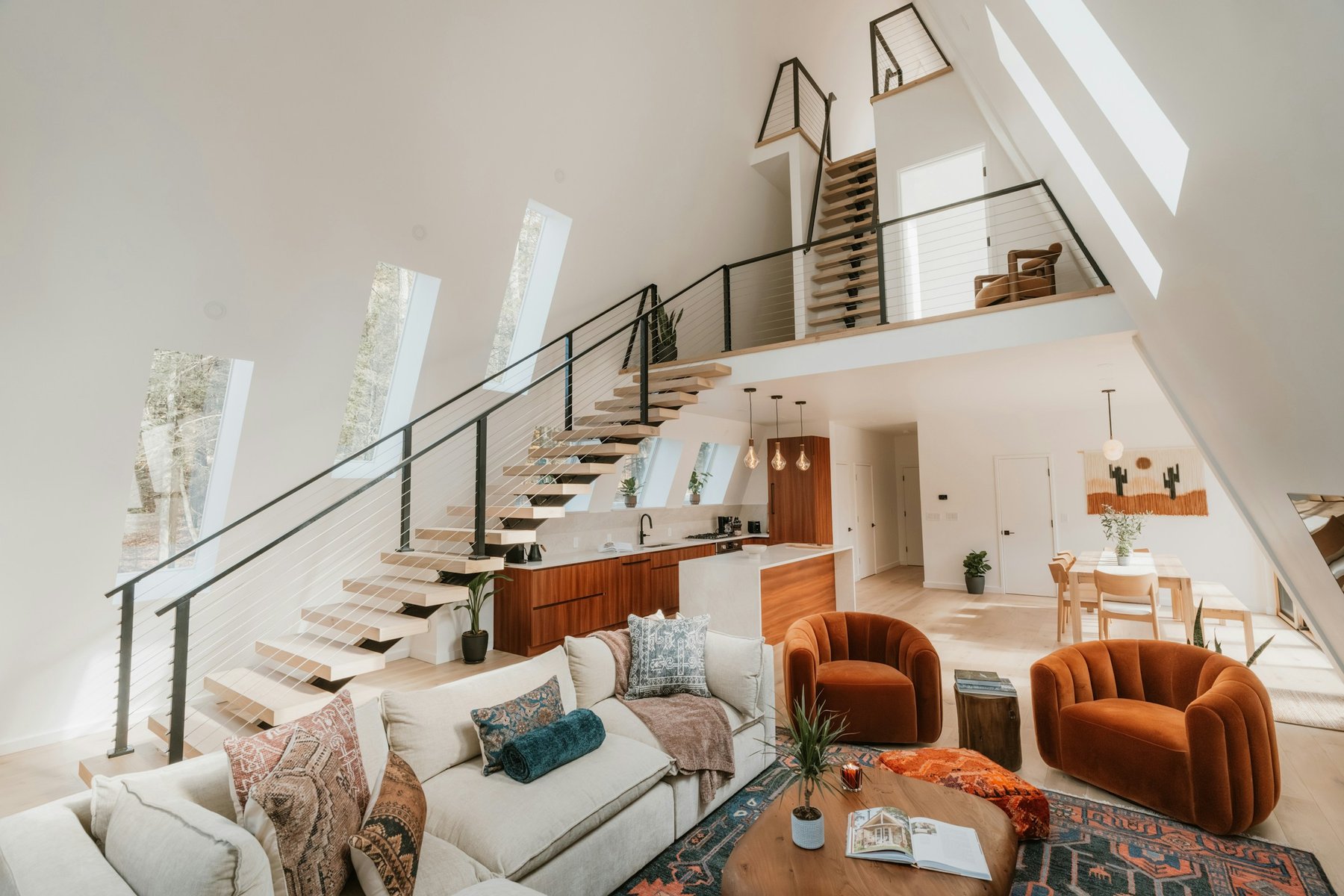
If you are over sixty years old, do this before you make a major purchase.
One of my clients recently fell in love with a three story townhouse that had no elevator. As we walked through the house I mentioned that she had just had knee surgery and may find the steps problematic. I wasn’t trying to talk her out of the house, just wanted her to see what she was buying into and whether it would still work for her twenty years down the road.
This leads me to introduce the stairs test.
The stairs test is simply that, a test to see if a home is going to work for you down the road. And before you dismiss this tip thinking it’s about elevator vs. staircase, think again. The stairs test is about determining whether or not a home will be functional and safe for you, at any age.
After all, the last thing you want to do is struggle with a flight of stairs each time you return home, especially after lugging in the groceries.
As a Florida real estate agent for forty years, I’ve seen and heard it all, and wanted to share with you this quick tip, the stairs test.
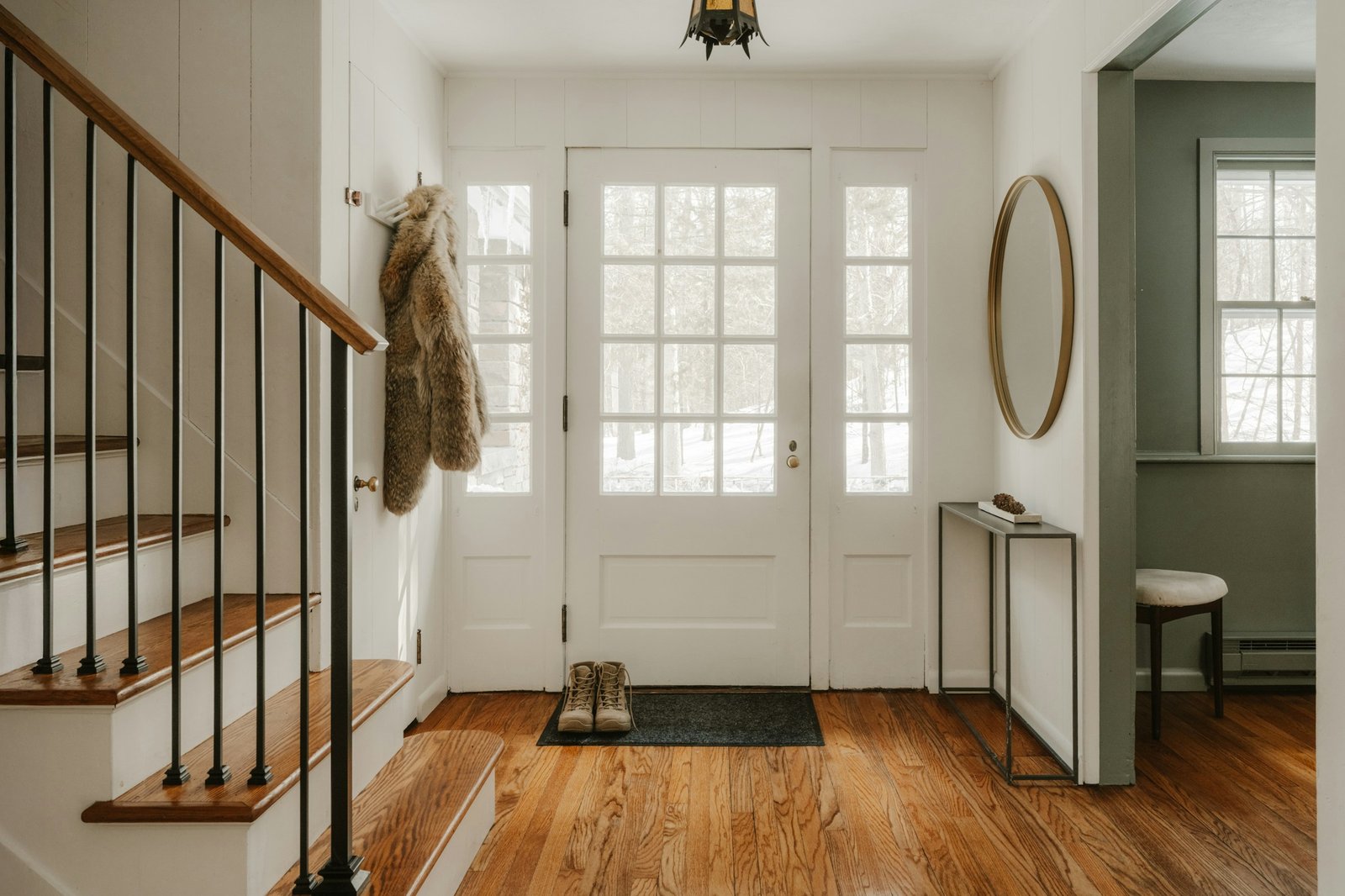
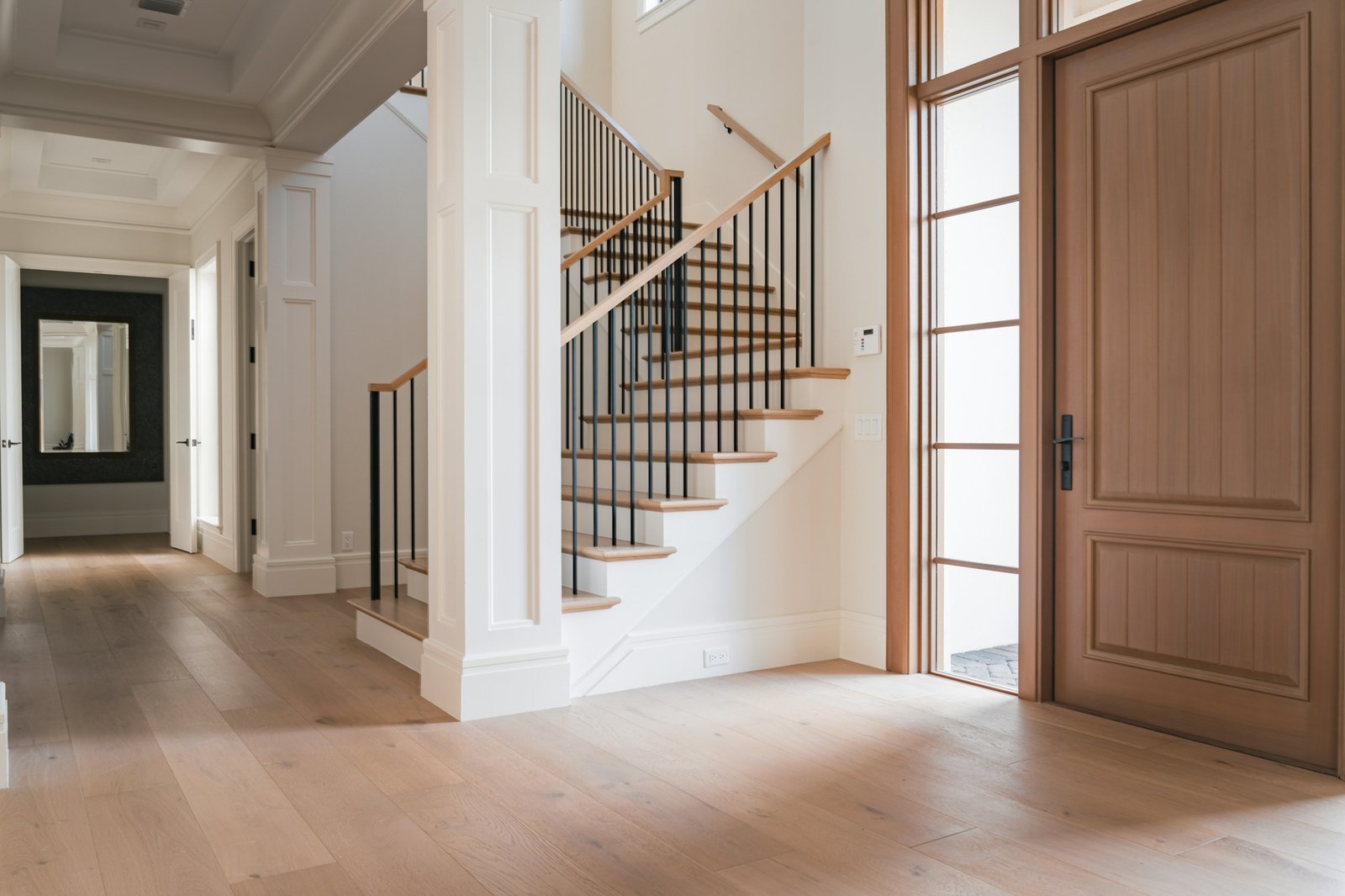
It’s simple, when touring a home, take a moment to count the flights of stairs and assess the railings. Is this something you can envision yourself comfortably and safely climbing each and every day? Could you still manage the stairs should your knees or back act up in the future?
That’s all there is to it. But as you can see, it can help prevent headaches (and heartaches) down the road.
Why Almost No House Passes the Test
That’s my number one piece of advice when it comes to buying a home: Consider how the home will work for you now and as your needs may change in the future. I’m reminded of this advice regularly when I speak with my clients about their housing needs and options. Most express a strong desire to stay in their home and neighborhood. In fact, according to AARP’s 2024 Home and Community Preferences Survey, 75 percent of adults over 50 want to remain in their current home as long as possible.
But unless you purposely sought out a home with certain features, chances are that your home doesn’t check all the boxes when it comes to aging in place. According to Harvard’s Joint Center for Housing Studies, fewer than 4 percent of homes have all three of the following basics: – no steps at the entrance – a bedroom and bathroom on the first floor – halls and doorways wide enough for a walker or wheelchair Even if you’re young and able-bodied, these three features can make a home easier to buy or sell, easier to rent, and easier to live in, especially when entertaining guests.
As you get older, these features move from nice-to-have to absolutely-essential. According to the CDC, more than one in four adults age 65 and older falls each year, leading to about three million emergency room visits annually. So whether you’re thinking about buying a home, or you’re simply trying to figure out if yours will work for you as you age, take a good look at the stairs and doors, and not just the paint and fixtures.
If a home doesn’t meet your needs now or in the future, that can cost you more than just money. It can cost
How the Stairs Test Scorecard Works
This is the Stairs Test. This test can be done when you are touring a home. Don’t rely on the photos from the listing to fill this out later as some things like the height of a threshold or the width of a doorway will not be captured in a photo. Print it out or grab a couple and fill one out as you walk through the house. I would suggest doing this with up to three different homes and compare at the end. This way you can take the guess work out of which home is “the one”.
Each question is worth one point with an answer of Yes, Fixable or No. Yes means this feature works for you now. Fixable means this feature could be changed but it will take time and money (see typical cost below). No means this feature will not work for you and there is not a realistic way to change it.
This test helps you determine the features that are most important to you in a home. It will help you see what you may want to change in your current home as well. It strips away the paint and staging and looks at the bones of a home. Are the stairs too steep? Is the bathroom too confining? These are the questions to be asking not just how is the view from the kitchen? It’s important to be realistic. We’re looking for a place we can still live in at 80.
Try it
The stairs test
Twenty questions. Score the homes you tour, or the one you live in now.
Getting in 4 questions
- You can get in without climbing steps, through at least one doorThe biggest one on the list. A ramp or a level landing fixes it for most houses.
- The entry is covered, well lit, and has a spot to set down the groceries
- Lever handles instead of round knobs on the doors you use every day
- Parking or a garage close to the door, with no long walk or outdoor stairs
Getting around 5 questions
- A bedroom, a full bath, the kitchen and the laundry are all on one floorIf the only full bath is upstairs, that’s a No today.
- In a building: there’s an elevator, and someone can tell you what happens to it when the power goes out
- Doorways at least 32 inches wide and hallways at least 36
- Level floors: no raised thresholds, no sunken living room, no slick tile at the door
- If there are stairs, there’s a solid rail on both sides, good light top and bottom, and room for a chair lift someday
The bathroom 4 questions
- A walk-in shower you don’t have to step over a tub wall to reach
- Grab bars, or solid walls where they could go
- A taller, comfort-height toilet, or room to swap one in
- A handheld showerhead and a place to sit in the shower
The kitchen 3 questions
- You can reach the everyday dishes without a step stool
- A lever faucet, and a fridge with the things you use most at waist height
- Bright light over the counters and the stove, and daylight in the room
Around you 3 questions
- A hospital or urgent care within about fifteen minutes
- A grocery store and a pharmacy within ten minutes, or a walk you’d actually take
- Family, friends, or a community you can get to without a highway
The paperwork 1 question
- You’ve read the association rules, the budget and any inspection reports, and nothing in them scares youFor a condo: reserves, pending assessments, and how long the grandkids can stay.
A planning tool, not a safety inspection. A certified aging-in-place specialist or an occupational therapist can assess a specific home.
How Much Might the Fixes Cost?
If you think a bathroom project is “Fixable,” you should understand what that Fixable option could cost.
These are rough estimates using national averages from 2026 contractor cost guides. Your costs will vary based on location, materials, labor, permits. Get quotes from local contractors before making your decisions.
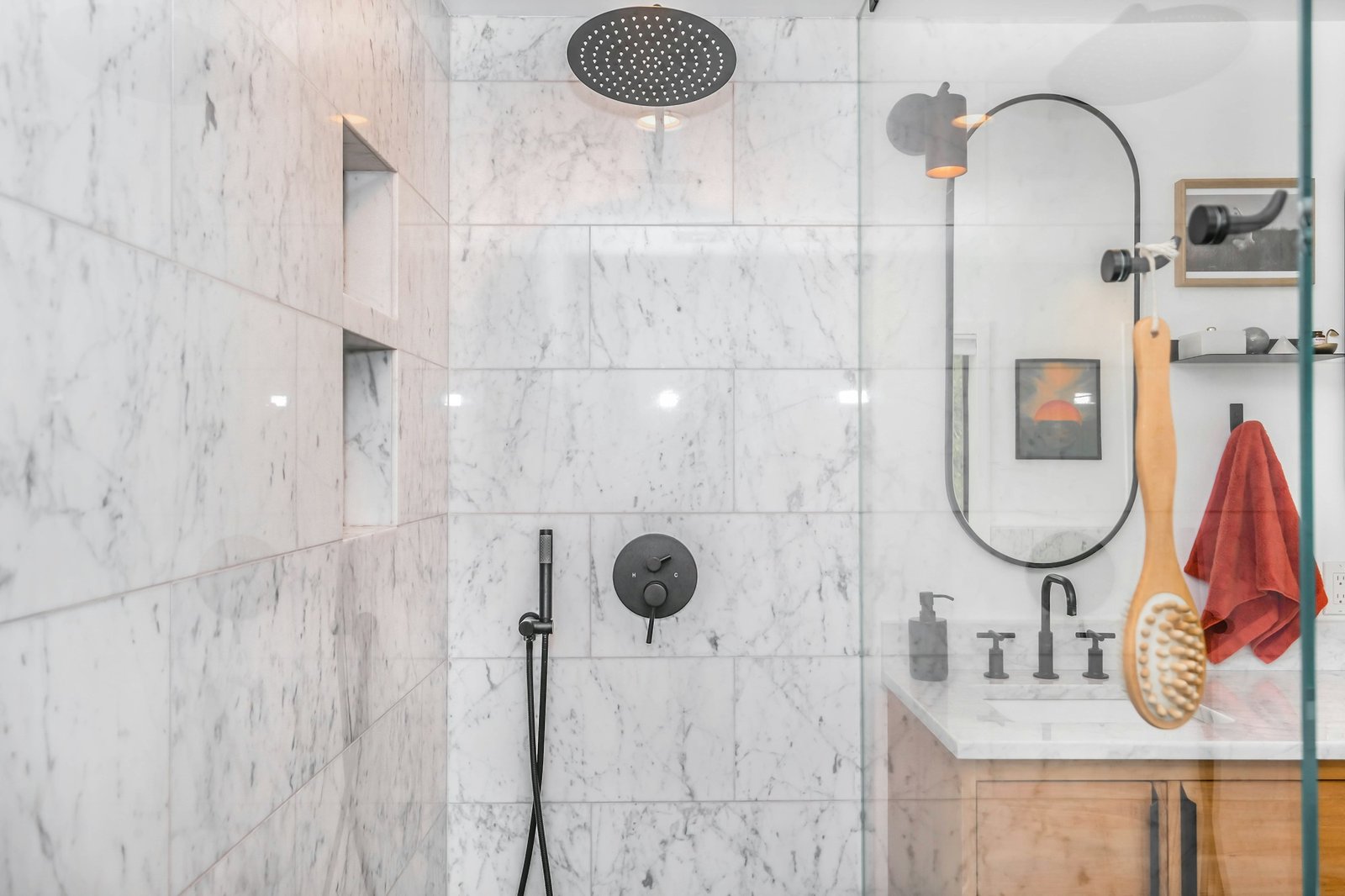
For example, let’s say that you want to add a walk-in shower to the existing full bath on the first floor of your $700,000 home. Nationally, the average cost for this project is around $10,000, so that’s a home that will likely be worth $710,000 and serve your family comfortably for 20 years.
But if you’re thinking about buying a $700,000 townhouse with one full bath, and it’s upstairs, then that may only be a 10-year home for you if you can’t make that bath accessible to the main floor, or move it to the main floor. If the stairs are too steep for a lift, the value of the project as “Fixable” just changed.
I’d rather find a buyer a house that will adapt to their needs over time, even if it costs a little more. I’d rather know what “Fixable” really costs so that you can make an informed decision about your future home.
| The fix | What it usually costs |
|---|---|
| Lever door handles | Under $50 a door |
| Grab bars | $100 to $350 each |
| Comfort-height toilet | A few hundred dollars, plus the plumber |
| Widen a doorway | $500 to $1,500 each |
| Entry ramp | $1,500 to $8,000 |
| Stair lift, straight staircase | $3,000 to $6,000 |
| Stair lift, curved staircase | $8,000 to $15,000 |
| Walk-in shower conversion | $6,000 to $12,000 |
| Whole-house retrofit | $18,000 to $75,000 |
If You’re Staying in Your Home
Remodeling? Consider replacing a bathtub with a walk-in shower. Make sure grab bars are anchored into the studs (not just drywall). Think about adequate lighting near fixtures and safe footing on a potentially wet floor.
Is your entryway level or does there need to be a ramp (not too steep)? Can you get in and out safely with a cane or walker? What about adequate lighting outside, a low or no threshold and safe walking from your parked car?
Do you have stairs? Are there handrails on both sides? Is there good lighting? Can a stair lift (a motorized chair that rides on a rail) be installed? If there is a bedroom and full bathroom upstairs, could one be moved downstairs?
Plan ahead. Think about what can be done before it’s needed. Don’t wait. Your future self will thank you.
Age in place, adapting your home as your needs change. Small changes make a big difference in comfort and safety.
The Florida Questions You Need to Ask
If you’re looking at a condo with an elevator, ask what happens in the event of a power failure after a storm. Does the building have a generator? If so, what does it power? How many elevators can it run? How long will it last? Can residents use the elevator during an outage? This might dictate how livable your condo is later on.
If you’re considering an older condo, ask to see its milestone inspection report. Under current Florida law, a milestone inspection is a structural integrity review, performed by a licensed architect or engineer, that most condominiums and co-ops three habitable stories or taller will need to have done for the first time when the building reaches 30 years old and then every 10 years thereafter. Some local agencies have adopted an ordinance requiring milestone inspections after 25 years for buildings near salt water. Find out what repairs were recommended and how the building will pay for them.
Is the home in a flood zone? If you’re buying near the beach, find out and get a quote for flood insurance. It’s not covered under a standard homeowner’s policy, and your lender might require it if your home is in a high risk flood zone. That doesn’t mean you can’t buy a house that isn’t required to carry flood insurance. Just understand there’s still a risk of a flood.
After living here for more than 40 years, I find the house that requires the least amount of work to weather a hurricane is also the simplest: a one-story, concrete-block (that’s masonry, not wood frame) construction with a level entry, impact (windborne-debris resistant) windows, and a walk-in shower. It might not wow you at first sight, but you’re less likely to pack up and leave later on.
Bring Up the Steps Early
And, by the way, we mean that literally, bring up the steps.
When we’re touring a home together, I’d like you to compare it to your current home. How is it different? How is it the same? Does it have more steps? Fewer? Are there any accessibility issues that don’t exist in your current home?
When you’re looking at a home, think of any issues that could be problematic now or in the future, at any age, and try to factor that in while you’re viewing the home. It’s easy to forget these things once the offer is in or you’re imagining living there and you think you’ll get to it later.
There are modifications that are more expensive than others and some that can’t be made at all, so I’d rather you be choosing a home that will give you options.
If you’re looking for a South Florida home that makes sense now and will make sense later, let’s talk about the stairs first.