The Split-Second Impressions Your Home Makes the Moment People Walk Through Your Doors

Have you ever entertained guests at your house and wondered what it is that visitors notice when they come to visit? What catches their eye or draws their attention when they enter your home? Well, I’ve been wondering the same thing and I’m happy to share what I’ve come up with. Here’s what guests notice when they enter your house:
The ten, at a glance
1. Temperature
This might seem like an obvious point but I promise you that it’s not. How many times have you entered a home that wasn’t adequately cooled down? It’s awful, isn’t it? We need to remember that guests come from the great outdoors and will notice the temp in your home right away. The temp at the thermostat might be appropriate but stand in the entertainment area to make sure that’s adequately cooled before guests arrive. You don’t want guests shivering at the dinner table either. Aim for comfortable, not freezing.
2. Odors
It’s amazing how used to the odors in our own home we become. Whether it’s the aroma of yesterday’s cooking, mildewed towels in the bath or an overflowing garbage pail in the kitchen, we become oblivious to these odors and assume that no one else will notice. Nothing could be further from the truth. Instead of spraying a reeking room spray that’ll cover up an offending odor, empty out the garbage, take out that smelly trash and air out the space. Your guests will be thankful.
3. Clutter
Clutter is very subjective and differs from guest to guest, but piles of papers, mail, laptop computers, clothes, return-to-store items, etc. that we barely notice will shout themselves at guests as soon as they enter a room or pass by a doorway. Clutter is very noticeable in photos, so try taking a few around your home and see what jumps out at you. Chances are that’s what’ll catch your guests’ eyes, too.
4. Functionality
A loose handle or a cupboard door that won’t close is the sort of thing a guest notices while trying to use it. If you know that there are minor repair jobs that need to be addressed, tackle them before guests come to ensure that everyone enjoys themselves. Nothing will draw attention quicker than an obviously broken chair at your dining room table.
5. Countertop space
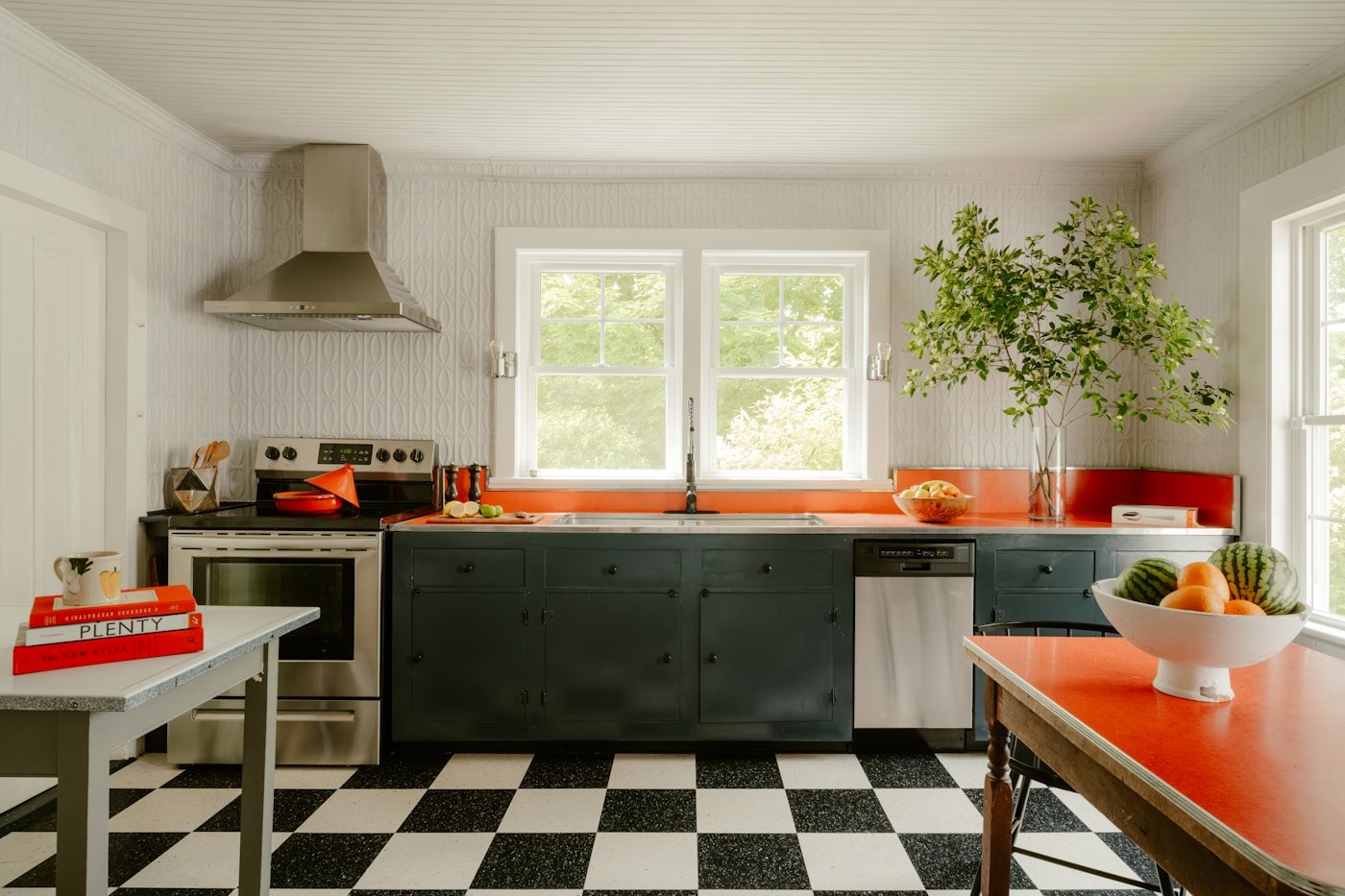
Do you have enough counter space? Countertops that are chock-a-block with appliances and knick-knacks leave no place to prepare food or set down a glass of wine. Try cleaning out at least one area of your kitchen for food prep. Keep the appliances you use every day within reach. A bowl of flowers or lemons is lovely, provided it leaves you room to work.
6. Windows and daylight
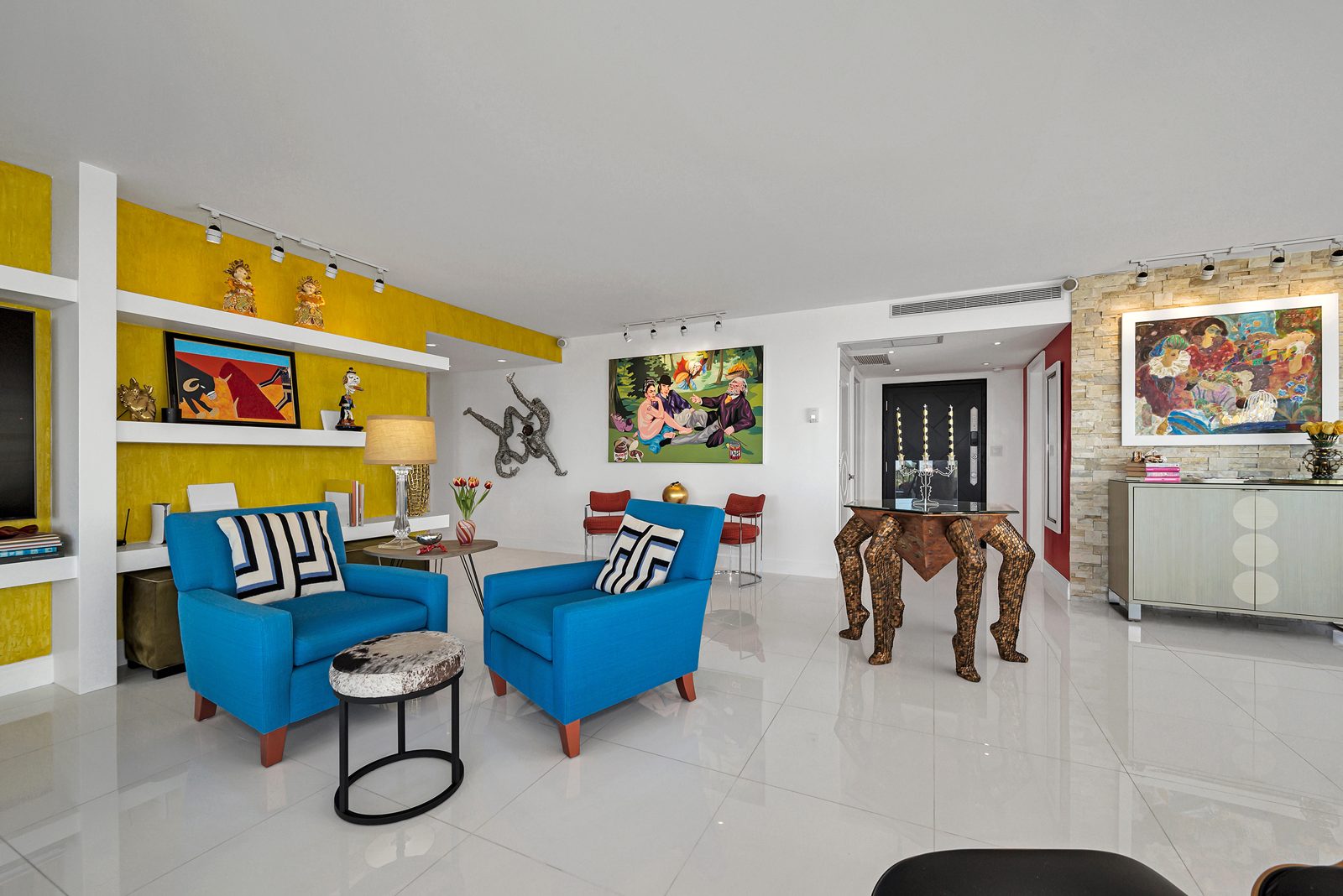
I’m a lover of bright spaces so I’m sure this item on my list of what guests notice when they enter your house will differ from guest to guest. Open the drapes, sheer curtains or blinds and invite in the light. Remove items that block the window or move them so they don’t block them as much to allow in some beautiful, free lighting.
7. Seating space
Think of your guests’ journey into your home from the door and make sure there’s a place to set down purses and coats. Is there an easily accessible place to sit down and relax? Is there an obvious place to set down a glass of wine? Are the hand towels in the bathroom clean? Make sure to keep a few of these items in mind when preparing for company.
8. Noise levels
It’s amazing how used to background noise we become. Walk through your home and try to pinpoint areas with a lot of background noise. Is the TV blaring in the entertainment area making it hard to hear guests’ conversation? Can your radio be turned down? These are all things guests notice when they enter your home that we’re oblivious to.
9. Path of travel
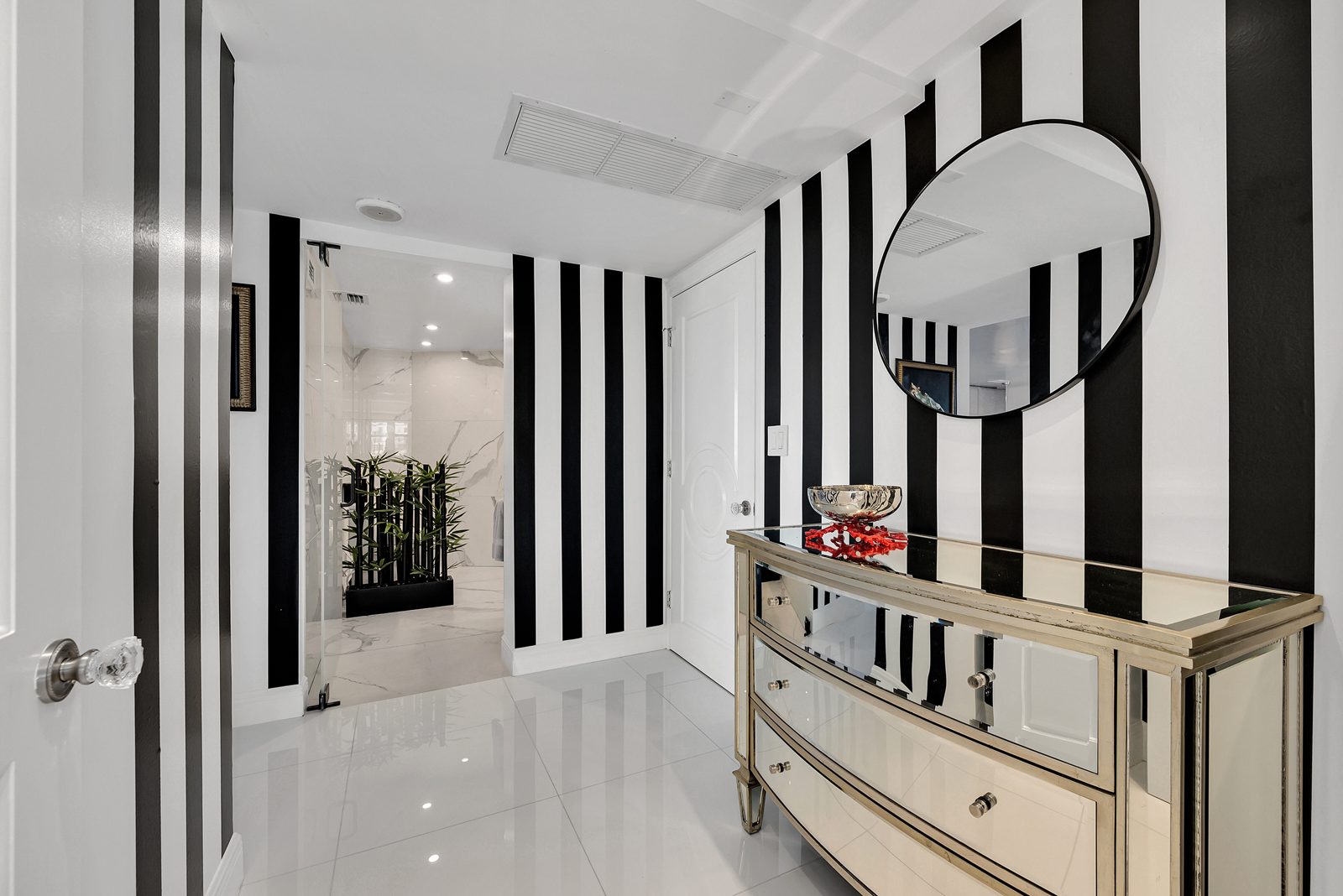
Think of your guests’ travel from the front door to the entertainment area, into the kitchen, etc. Does a dining room chair jut out and create a tripping hazard? Do you need to move the barstools to create a more open path? In most cases it’s simply rearranging items or seating that’ll create an inviting, wide-open path. Save yourself the expense of investing in a new (smaller) sofa.
10. Decorating tips
Does your space seem like it’s lacking pizzazz? Try some new art or a different accent chair to breathe new life into the space. Or, maybe you’ve overstuffed a room and need to remove a few things to create some breathing space. Adding family photos and original pieces of artwork or furniture will lend a distinctive flair to your home. If you spot cracks or leaks, find out what needs attention. A picture hung over a problem doesn’t fix it. When selling, simplify. Let buyers envision their artwork and family photos in the home.
The front door and the first three steps inside
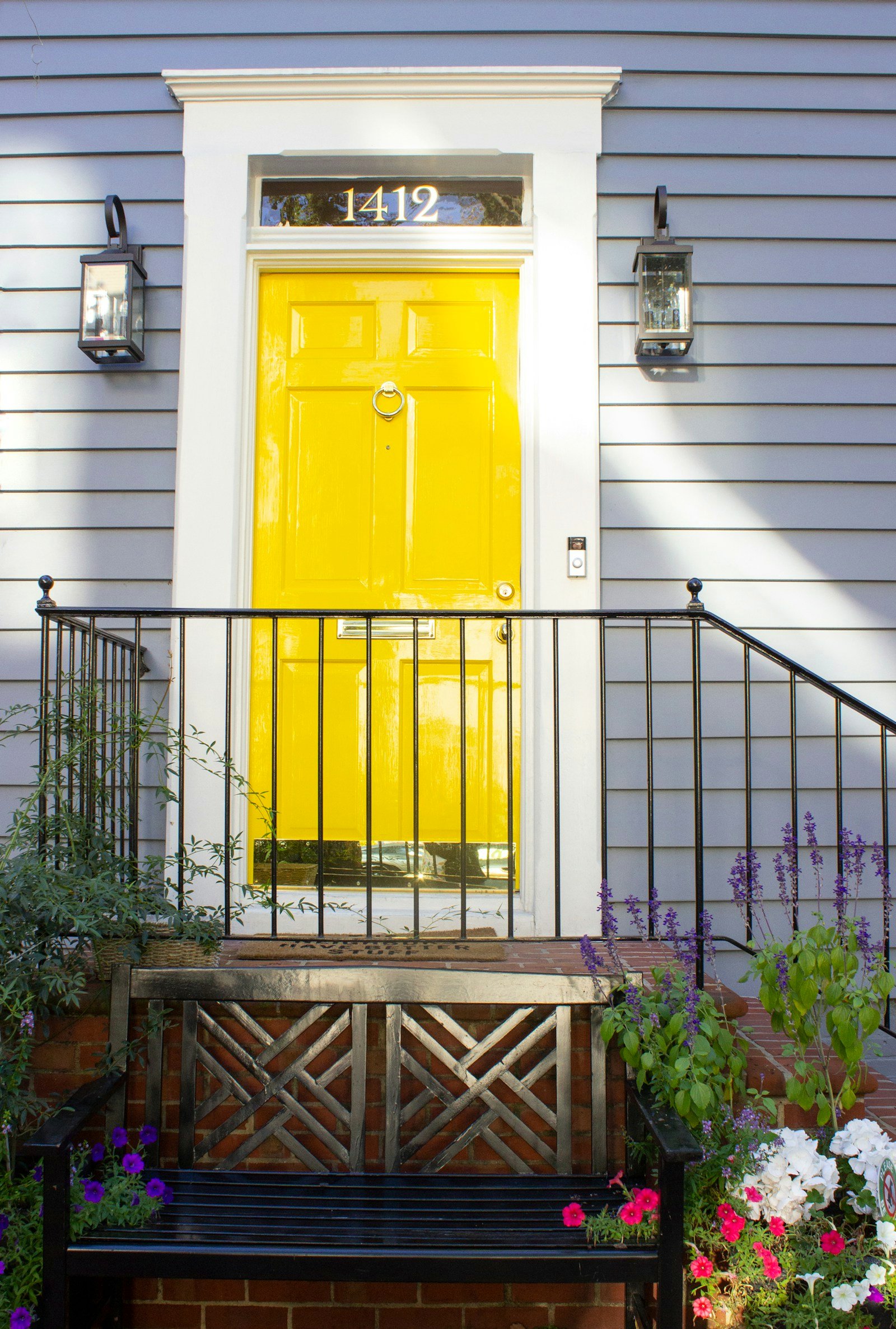
Standing on my step waiting for a door to be opened to me, I form opinions about the people within the residence. So I encourage you to do the same. Once a week walk up to your front door and peer into your entryway as a guest would. Most of us just don’t look at our own entries anymore.
Looking from the outside, check your doormat, entry light, door handle. Are there too many packages or shoes stacked? All of these items can easily be checked in five minutes, and it doesn’t cost a dime to have a working light, clean doormat and clear entry to your door. If you live in a condominium, view from the elevator to your doormat and door. Is the hallway tidy, and is the area outside your door clean and neat?
Now peer into your home through the glass in the door or crack it open a bit and take a look. Can someone walk three steps into your home? Can they set down their purse/bag? Is there a place to sit or lean as they remove their shoes? Maybe a small tray on a shelf and a hook on the wall where there is no room for a table. Are there things on the floor to trip a guest upon entering your home? Can your guests place their purse/bag on a table or hook them up on a wall hook? Is there a chair or bench to sit on and remove their shoes? These simple touches let a guest know that you do think about their comfort upon entering your home before their shoes are even off.
Clutter in the entryway, blocked walkways, tight spaces, dark areas; these items are daily occurrences to those who live there but a visitor notices them immediately. Give your entry some attention with a quick once over, no project required.
The bathroom your guests will actually use
Likewise, anything very personal to you is probably better to stow away: Guests don’t need to see your prescriptions, your razor or your toothbrush. Out of sight solves that, and it saves everyone a little awkwardness. Guests will appreciate your thoughtfulness if you consider the following items: Clean sink, clean mirror, they will absolutely notice Hand towel (for guest), working and appreciated soap Lid down, garbage out (I clean this bathroom last as I’m getting ready for guests to arrive since I do all of my getting ready there since my bathroom will be off limits) Leave out an extra TP roll in case theirs gets used up, saving them from having to ask Dim lamp in case light is too bright or the fan is noisy Think about what makes you feel comfortable or appreciated when you’re a guest and do those things in return. It can be as simple as a light bulb that is not as strong, and you get the idea. None of this should be showy or even necessarily fancy, it is just thoughtful.
How the house feels after dark
Once the room is set, it’s fun to evaluate the lighting. Especially for a dinner party, it’s helpful to walk through the house once it’s dark and see how the room really feels, after all, most get-togethers happen towards the end of the day, so it’s good to know how it will look and feel in those circumstances. Do any glaring overheads make a room feel sterile like a waiting room? Lamps can instantly make a space seem more homey, so it never hurts to have a few around that can be turned on in lieu of (or in addition to) overhead lighting. (Bonus points if they can be dimmed.) I like to change the lighting just before the guests get there, dimming or turning off harsher lights and turning on lamps, it makes all the difference. Another consideration with lighting: make sure it’s easy for your guests to make their way from the door, to the table, and the bathroom. Walk through these areas yourself after it gets dark and make sure there aren’t any areas that are too dark and may cause tripping. Same goes for lighting outside: make sure all your path and porch lights are in working order (with bulbs.) to ensure that it’s clear for guests to find you and come inside. It’s an extra element of safety that shows you’re considering their comfort. One final note on lighting: if it’s within budget, it’s better to opt for bulbs with a warm/soft-white glow, rather than a cool-white one. They flatter skin tone, make food look better, and complement the hues in your home far better, as cool-white bulbs can make food look drab, and walls look stark. The warmer lights complement the grains in a wooden dining table beautifully. Accents: Candles Candles are always lovely, but never burn them in empty rooms, always extinguish before leaving an empty room to avoid disaster. Save the candles for the table. It goes without saying that attentive detail and planning go a long way, your guests will surely appreciate the atmosphere you’ve created, and want to stay late.
The ten-minute reset before anyone arrives
Exit through your front door. Take a deep breath. Come back in through the door and imagine your guests arriving. Is the temperature pleasant? Is there a pile of packages by the door? Mail stacked on a table? Are there unpleasant (or strong) smells? Are things in the way? Is there room for purses and coats? Is the area attractive and welcoming? Guests hate air freshener. Many people are adversely affected by artificial smells and they think that too much air freshener indicates you’re trying to mask something. Track down the smell, eliminate it and air out your home. Add a light fragrance if necessary after airing it out. Scrub down kitchen counters and display one pretty thing, like fresh flowers, a decorative bowl, fruit such as oranges or limes, etc. Five pretty things on messy counters equals clutter but one pretty thing on empty counter space equals intentional. Sit in your couch/dining room chairs and envision your guests. Is it too hot/cold where they’ll be sitting? Now is also a good time to think about the TV (should be muted or turned off), drapes/shades (up? down? half-way for pretty light?) and other little things such as a fresh hand towel hanging in the bathroom. Guests relax in the presence of relaxed hosts so quit fussing after making these changes. Preparing your home for guests doesn’t take much in the form of new things, just some organizing, clearing, emptying and adjusting.
Bonus tip: resist the urge to fuss around your home and adjust a throw pillow here and rearrange your decorative objects there while your guests are at your house. Save those urges for another day. Guests can’t relax if they feel like they’re entering a precious, pristine work of art and are afraid to breathe. Make them feel welcome and comfortable and they’ll enjoy being at your house.
Make it useful
The front-door check
Walk in as though you’re a guest. Check off what’s ready, then fix the first unfinished thing that would affect your comfort.
Your selections stay in this browser when storage is available. No signup needed.