
Considering Building Your Home? Here Are All The Stages You’ll Go Through

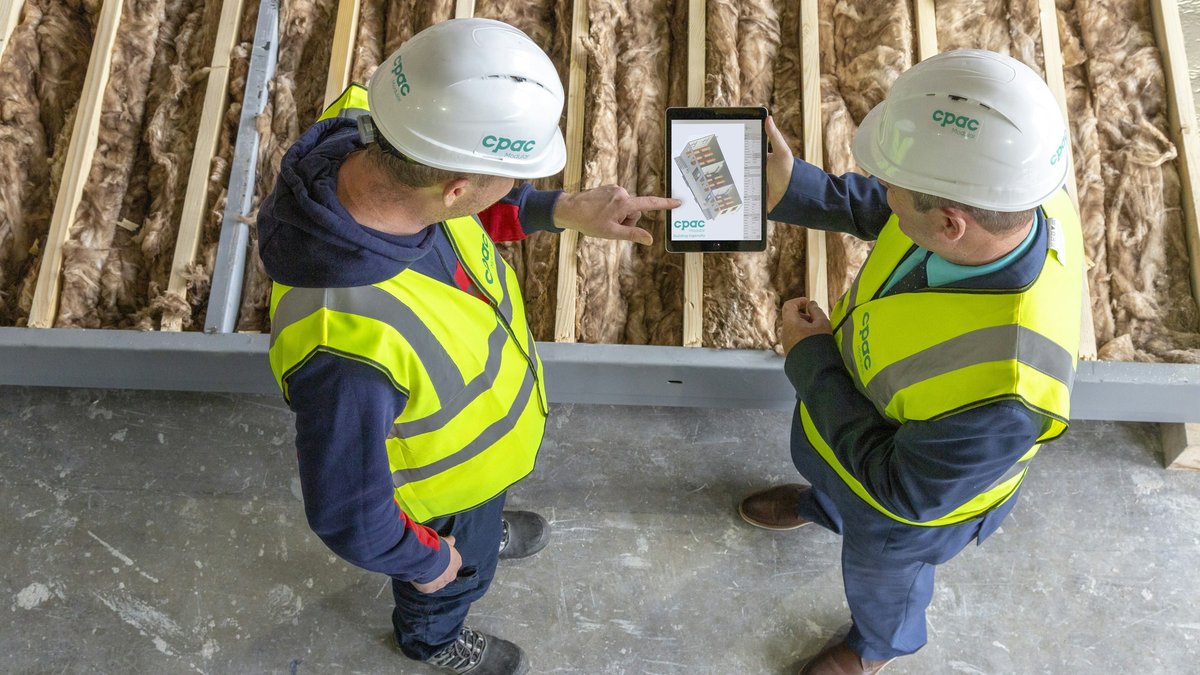
If you’re buying, building, or renovating, you’re going through a lot. There are a lot of decisions to make, a lot of professionals to coordinate with, and a lot of choices that seem inexpensive today that can be expensive tomorrow. And then there’s the build itself.
For many, it’s exciting and confusing and overwhelming. But it’s not. Once the project is underway, construction is a series of steps and phases and choices.
Worth the scroll
- ↓The stage where every owner briefly panics
- ↓Where the budget really gets tested
- ↓The week your requests carry the most weight
How a house happens
Here’s a quick run-through of them:
Stage 1: Land, plans, permits, and the way you want to live
Before anything gets built, make sure you can access the home, bring in utilities, and move water away from it. Setbacks, floodplain requirements, and other rules dictate what can be built where, how high, how big, and more. Make sure you have the lot, engineering, permits, surveys, and other items you need before construction.
Read the contract and make sure you understand what’s included and what’s not, what’s an allowance and what’s expected of you to order. Ask questions. Visit similar homes to understand what works and what doesn’t.
Walk through how you’ll live there: Where will you pick up laundry? Where will the grocery bags go? Where are doors?
How much light in each room? Moving a door in drawings is a change; moving a door after it’s built is a change order.
Stage 2: Site work and foundation
Clearing, grading, utility work, footings, and foundation are part of site work. Keep all the important documents from this stage in one place. This includes approved plans, site photos, inspection sign-offs, and more.
The work done here shapes the cost, longevity, and enjoyment of the home. Water, soil, and elevation dictate what happens above grade. Especially on the coast, be sure to understand what you’re buying or building before you buy or build it.
Homes in South Florida are no joke when it comes to floodplain, wind, and other considerations, not to mention insurance. Plan ahead.
Stage 3: Framing, the roof, and the real scale of every room
Now you’re getting a sense of what’s coming. Rooms will be smaller than you expect. Larger than you expect.
Ceiling heights will disappoint. Views will delight. It’s exciting to walk through your future home, get a sense of the spaces, see how rooms relate.
Take your plans with you when you visit. Measure windows. Openings.
Doors. See if that couch will make it down the hallway. See where you’ll be able to see over that fence.
Ask questions. Raise concerns now, while you can. Write down decisions and questions.
Chances are you’re going to regret counting on your memory. And chances are you’re going to end up buying whatever’s cheapest because it’s right there at the cabinet, tile, paint, lighting, or other showrooms. Check in on schedule, too.
Delays happen: Bad weather, inspection, product availability, mistakes that must be corrected. Build them into the schedule from the start.
Stage 4: Plumbing, electrical, air conditioning, and insulation
This is the rough-in, which happens just before the walls are closed. This is another time to walk through, ask questions, and make sure outlets, switches, lighting, insulation, AC, plumbing shutoffs, electrical panel, TV’s, phone, internet, other low voltage, vents, and more are where they need to be. Some items need backing within walls: Mirrors, sconces, towel bars, etc.
Make sure they’re getting it. Determine where appliances will be and their power, where you’ll charge your devices, how furniture placement will affect AC. Write down decisions and questions.
Stage 5: Drywall, cabinets, floors, and finishes
Now the home’s getting pretty. This is where finishes come together: Colors, textures, storage. It’s another opportunity for walkthroughs to make sure everything’s coordinated, functional, beautiful, etc.
This is when you’ll spend the most. Write down decisions and questions.
Stage 6: The punch list, final inspection, and keys
Nothing will be perfect. Gather up the nits and pickles, get them fixed, enjoy your new home. Write down decisions and questions.
Before the drywall closes the walls
Photo everything before the drywall goes up. You might someday want to hang a shelf in the wrong spot, locate pipes, or have to make a repair. Photographs of all of those mechanicals will make these situations so much easier.
Verify that all required inspections have been completed before the walls are closed up. Keep copies in the project file. Changes are harder and costlier after rough-in.
All those little upgrades will add up. It’s easy to want better finishes than you initially planned, and it’s fine to improve on the plan. Just realize that better faucets here and nicer tile there can add up when replicated throughout the project.
Keep track of all of your decisions, their associated allowances, costs, quantities, who’s responsible for installation, and any special lead times. Decide quickly on substitutes for any backordered items. Do you want to wait or go with what’s available?
Think through storage beyond the glamor areas. Yes, it’s nice to have a bar cart. Where will it live?
How about vacuum, brooms and buckets, linens, phone chargers, coffee maker, blender, etc.? Where will these items live?
A closer look at the final walkthrough
Walk through everything together during daylight hours before final inspection. Test all light switches, appliances, outlets, faucets, shower drains, doors, drawers, etc. Compare finishes, fixtures, etc. with the selections and contract.
The punch list should include locations, dates of promised corrections, and photos. Ask for a copy of the agreed-upon list and get sign-off upon completion. It’s amazing what people forget when relying on their own memories.
Before you take the keys, ask for manuals, warranties, remote controls, proof of final inspections, any outstanding approvals, and numbers for service.
Who is on the team and what each one decides
Building a home requires a larger team, and therefore more complicated communications, than a move into an existing home.
Not understanding who is responsible for what is a common source for conflicts to occur. I always advise my clients to determine who to talk to in the builder’s office. Get a point person. Then put all questions in writing to that person and you’ll have a record of questions and answers should any issues of misunderstanding come up. It’ll also save you a lot of time. Here’s an overview of roles:
Architect or designer: this is the person who draws your home. Any changes in design would need to be directed through him or her. For instance if you wanted to move a wall you’d give a call to your architect/designer for revised paper work.
Builder or general contractor: the builder manages the project. Calling in the various trades, making sure materials are ordered and delivered, will fall under his direction. In most situations it’s his decisions how quickly a job moves along, his timeline.
Lender: banks will typically pay out your construction loan in stages (or draws). Bills can’t get paid until inspections have occurred.
County or city inspector: some people dread them, but The inspector is a breath of fresh air when it comes to protecting the rights of you, the owner. The inspector must sign off before walls and floors get covered up. If there’s something not up to code under all that drywall or hidden under hardwood flooring, you want to know before it’s concealed.
You, the owner, are responsible for making selections and approving change orders. You pay for any costs that exceed the contract amount. This is your dream home being built so it’s important for you to stay in control of selections and change orders to make sure your home turns out the way you’ve envisioned it.
Know who’s responsible for what, know who can make decisions and you’ll be cruising through construction smoothly, without conflicts or hurt feelings, and save yourself some gray hairs and maintain your sanity.
Allowances, upgrades and where budgets slip
Things Not in the Contract: landscaping, drapes/blinds/shades, fencing and sometimes even driveways. It’s good to have a handle on these from the start as they can surprise home buyers.
Allowances: This is the dollar amount in the contract for an item that is, tile allowance, lighting allowance, appliances etc. In my experience it isn’t uncommon for these to be low and as a result your budget going up the first time you walk through a showroom. Ask for this list ahead of time before you sign your contract and go through it with a fine tooth comb making sure you can realistically make selections within the allowance amounts provided by the builder. Better to find out now as opposed to later.
Upgrades/change orders: Any change to the original contract is considered a change order and as a result comes with a price. Not to mention sometimes it will put the schedule behind. Keep track of all your changes in one place. I keep the cost of all the upgrades and change orders together in one spot so there are no surprises when they get added up at the end. Believe me, they can really add up. Example: upgrading the faucets in all your bathrooms, handles on all your doors etc. Seems minor individually but really adds up over the entire house.
Living through a renovation versus a new build
If you renovate the home you already live in, you go through the same stages as any build, except you live inside them. Expect dust, noise and disruption to be a daily occurrence.
If there will be no kitchen for a number of weeks, brace yourself and everyone in the family for that. Maybe think of ways you can set up a temporary kitchen, it will help everyone’s sanity throughout what are sure to be some crazy months.
If it’s a condo, there are building regulations concerning hours of operation, use of elevator and at times even which contractor is allowed in the building.
Have your contractor put it in writing what their schedule is for the project including all phases. Keep in mind that most schedules get delayed somehow so plan ahead for that too. Just as with a new build, permits are a must. This can become a problem when trying to sell if no permits were pulled.
Always budget for contingencies. It is especially true in our part of the country (South Florida) with older houses there may be some surprises when opening up the walls, don’t consider that a failure, just expect it.
The whole build at a glance
Building or renovating a home involves many people, inspections, permits, and choices. It’s exciting and inconvenient and thrilling and boring all at once. There’s no need to panic.
Understanding the broad strokes can help you ask better questions of your design, engineering, and construction team:
Stage 1: Land, plans, permits, and the way you want to live
Stage 2: Site work and foundation
Stage 3: Framing, the roof, and the real scale of every room
Stage 4: Plumbing, electrical, air conditioning, and insulation
Stage 5: Drywall, cabinets, floors, and finishes
Stage 6: The punch list, final inspection, and keys
Each of these steps includes many sub-steps, inspections, decisions, and opportunities for upgrades. Some will be dictated by codes and the location, such as flooding and wind design in South Florida, and some will be your own taste and budget. It helps to know what’s coming down the road, both financially and aesthetically.
Keep a decision log from contract to completion
Changes are much easier before construction begins. It’s relatively inexpensive to move a wall on paper. Not so much after framing is complete.
Similarly, changes made during construction impact other decisions. Changing a light fixture may affect cabinet clearances; changing floor covering types will affect transitions. Keeping track of all of your decisions, drawings, selections, inspections, approvals, costs, special orders, deadlines, etc. will save you from unpleasant surprises.
Changes aren’t necessarily bad; it’s a living, breathing project. Changes are much easier early on. And, should there be an issue down the line, it’s helpful to have a dated, agreed-upon written record for both parties to reference.
I suggest starting the log upon contract, jotting down important conversations, keeping track of change orders and selections, and photographing along the way.