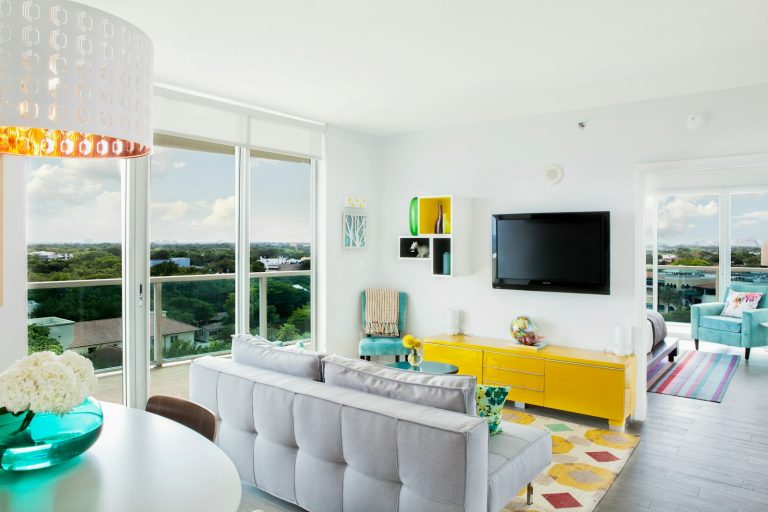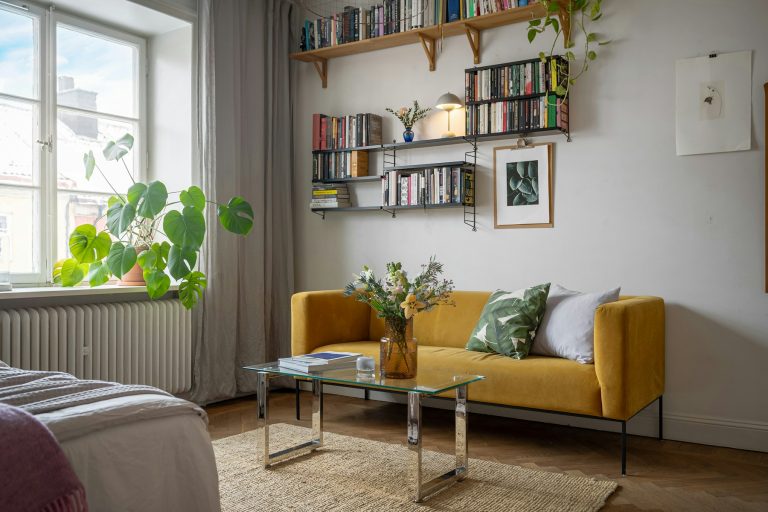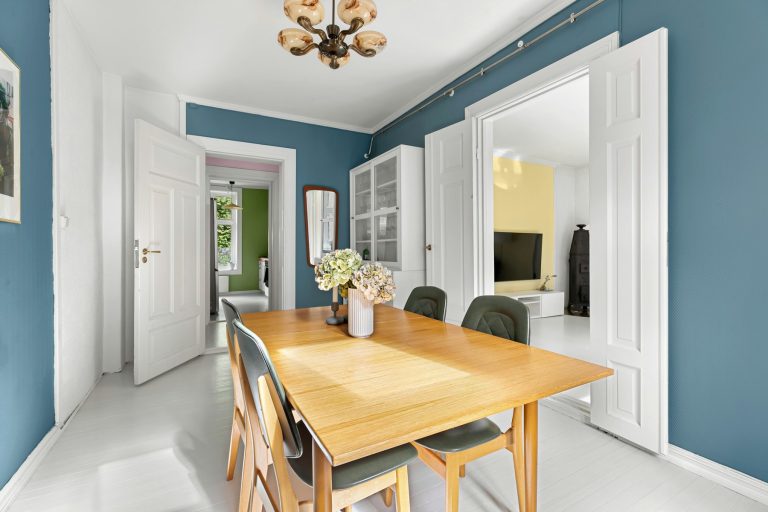
The “Safe” Interior Design Choices That Actually Make Your Home Look Dated

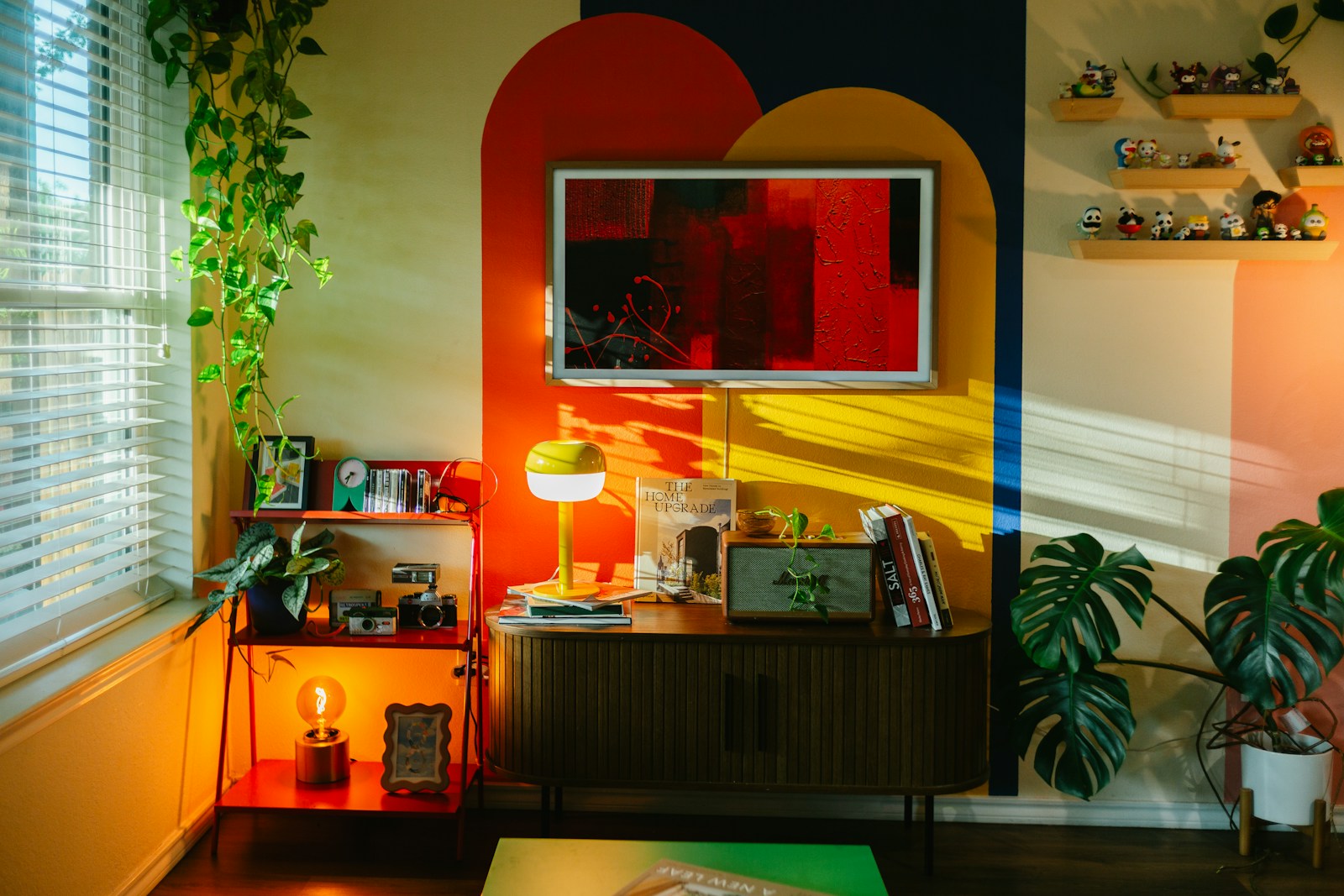
1. Forgetting the entrance
When visitors come to your home, you want them to feel, “I’m happy to be here.” That feeling starts with the front door, and no frills are needed.
Think of your home’s entrance as its first impression. This applies to both single-family homes and condos or apartments. It doesn’t have to be gorgeous. It just needs to look like you care about it. So, if there’s a cracked driveway or other eyesores, it’s time to make repairs. And don’t clutter your entryway, as your visitors will appreciate the openness.
2. Leaving the flooring tired
Poorly chosen or installed flooring can affect the resale value of your home negatively. Good flooring can add value.
Sometimes the best thing you can do with flooring is just leave it as it is and make sure it’s clean and in good shape. If it’s tile, get the grout cleaned. If it’s another type of flooring, see if it can be refinished or repaired.
Another common flooring mistake people make is installing flooring that is in the wrong scale for the room or style of the house.
Buyers notice details. Flooring is a big-ticket item in a house. Sometimes the best flooring investment is spending the money to repair, clean, refinish or restore existing flooring instead of replacing it. You can get a great return on investment by refinishing wood floors, for example.
There are fabulous porcelain floors that look like wood floors. I see them a lot in Florida. They don’t look cheap.
A less expensive floor looks expensive when the quality and the installation are good. It’s not about the most expensive wood flooring. It’s about making smart choices, not necessarily spending a fortune.
3. Staying so neutral that the room becomes boring
It’s beige. Or more specifically, there are no accents. When I originally answered this question, this was my answer: 3. It’s beige. I immediately retracted this answer though because when done properly, a neutral palette can be very high-end and elegant. Most people can take a neutral room and make it less neutral with colorful or interesting art, black and white photographs, flowers, wood, or pieces with some history.
That being said, beige with art and accessories is different than beige when no one made any choices. I’m just not a beige gal. There needs to be some pizzazz, even if it’s subtle. It’s okay to play it safe, but play it safe and make some choices. Blandness is what hurts you in the end. Potential buyers will sense when someone has put thought and taste into their home, and they want to move into that.
Simplicity is fine, but it’s important to be intentional.
4. Painting every wall the color you happen to love
Avoid using your favorite color on every wall. This doesn’t mean you can’t paint your home any color you like. After all, it’s your home while you’re living in it. But it might be worth reconsidering the bold paint job you love before you put your home on the market. A potential buyer might not share your love of charcoal gray walls, for example. Your favorite colors can make a house feel like a love-it-or-hate-it purchase, and buyers may worry about having to repaint before they can move in.
Those added costs and extra work can turn some buyers off. Neutral colors will make your home more welcoming to buyers because they won’t be walking into your taste in décor. They’ll be able to envision their own style without the colors you chose overwhelming their senses.
5. Fighting the natural light
A cozy restaurant or pub can get away with a dim atmosphere full of candles and chandeliers, but unless you’re going for a cave-like effect at home, you don’t want to do this on purpose. And you certainly don’t want to unknowingly block the flow of light with bad placement of furniture. Don’t place the tall hutch in front of the best light source in the room then wonder why everything feels gloomy.
It’s counterintuitive, I know, but try it: Clean the windows, open the curtains and blinds, and use the natural light to help you decide where to place furniture. You’ll be happy you did. Not only will the rooms feel larger and happier, but you’ll have done yourself a solid by avoiding a decorating faux pas.
6. Asking one ceiling light to do the whole job
Layering light in a room with lamps and dimmers will make your home more comfortable at night. One overhead light in the middle of a room rarely makes it feel cozy.
Yes, electrical work is expensive. But whatever your decorating budget, consider splurging on good LED lighting and quality controls, if only because they last longer. Lutron costs more, for example, but people notice the higher-end little things.
Layering light doesn’t mean tearing out your home for a renovation. It just means adding lamps where people sit, task lighting where needed, and dimmers on your overhead lights. It’s worth the expense if you want to increase your home’s resale value. After all, when buyers walk in, they want to relax. That’s harder to do under one bright bulb.
7. Spending for a name instead of an effect
Invest in quality, not brands.
For forty years, I’ve helped people create beautiful homes in Florida. One thing I’ve learned is you don’t need to splurge on designer brands to create a beautiful, high-end space. In fact, you can often find less expensive products that look better than the pricier options. Instead of splurging on brands, splurge on quality.
People love to splurge on brands. They spend top dollar for the label. But a logo on a product doesn’t make it high quality. And you don’t need high-end products to create a luxurious space. Think about what’s going to make the biggest impact. Rather than dropping top dollar on name-brand faucets, you could install new hardware throughout your kitchen. Or you could install gorgeous new porcelain tile flooring, update your lighting, or refinish your cabinets. You could even just repaint your cabinets. The options are endless, and there’s a project for every budget.
Don’t spend extra for a brand. Spend it on quality and practicality. No one will ever know what you paid for things. They’ll just know that you have beautiful fixtures and a gorgeous space. They won’t notice the name on the box. They’ll notice the overall quality.
8. Ignoring the home’s price range
I see this over and over again here in Florida. A modest home doesn’t need top of the line appliances. It just doesn’t make sense. On the other hand, if you’re trying to sell your home for top dollar, it’s probably not a good idea for the finishes to say, “basic.” The exact price point changes with the market, but the premise remains the same. When looking at the overall condition of the home, everything needs to fall into place, including appliances, floors, hardware, lighting.
Otherwise, it just doesn’t sit right. This is a common mistake I see sellers make. I encourage my clients to keep it simple and consistent. In the end, it’s going to affect the value of your home.
9. Assuming open is always better
Some people want open floor plans, others prefer closed kitchens. Some want simple clean luxurious open spaces, others want everything open and airy. They’re all great options. What’s right for you depends on the size of your home and how you live.
In a larger home (3,500 or 5,000 square feet), you could have a closed kitchen, pantry and butler’s pantry without making the space feel small. In a home of about 2,000 square feet or less, walls can shut in a space and make it feel smaller. An open floor plan can make the space appear larger and feel more open and airy. Don’t remove the wall just because open is the rule. Consider the size of your home and how you live. I’ve been in many a home where the floor plan didn’t accommodate the lifestyle of the homeowner. Choose what works for you.
10. Buying furniture before measuring the life around it
I’ve watched too many clients buy new pieces only to realize they really just needed to rearrange what they already owned. Not only will rearranging save you money, it can also reduce clutter.
Measure twice, buy once. Before you fall in love with a piece of furniture, make sure you can move it into your home and that it won’t overwhelm the space. While a sofa may technically fit, that doesn’t mean it won’t make the room unlivable.
I suggest tracing where furniture will go on the floor to make sure doors and cabinets will still open and there will be room for you to get by. I’ve seen plenty of living rooms where the couch and chairs are far enough apart that you have to shout to have a conversation.
Think about traffic flow before you think about that gorgeous piece you saw at the furniture store. Chances are you don’t need more stuff, just a better arrangement.
11. Buying the entire matching set
Instead of starting over, take the pieces you love and find complementary additions.
Buying a room’s worth of furniture in one go can be convenient, but it’s not my idea of a well-designed space. My taste leans more eclectic, and I like pieces that look like they were collected over time, not delivered in one box.
That said, I’m not saying to sell everything. If there’s a piece you really love, hold on to it. Use it as your anchor, then look for additions that differ in style, texture, color, age, or material. That way, the look feels layered and curated, not catalog-ready.
Rooms that look collected over time feel more personal and more interesting. And interesting spaces are more likely to connect with buyers. A little variety adds warmth and character, and can make even a well-loved piece feel fresh.
12. Covering every surface
Decluttering your home before selling it is a surefire way to give buyers a good first impression.
Potential buyers can walk into a cluttered house and immediately lose interest. That’s why it’s important to clear off surfaces, like coffee tables, consoles, shelves. This gives buyers’ eyes a place to rest and allows the space to breathe.
Decluttering doesn’t mean depersonalizing, however. Just remove some of the clutter and store it for the time being. This will make your home feel roomy and spacious, allowing buyers to envision themselves living there.
Decluttering is a simple way to stage your home that will pay off when it’s time to sell.
13. Designing only for the photograph
How do you want to live in the space? Where do you want to put your blanket, your coffee cup, or other things you may use on a daily basis? Once you understand how you want to live in the space, then you can simplify the space for the camera.
When staging, it’s important to remember that a photograph lasts only a second, but you will be living in the space every day. If you can’t use the space, it’s not ready to be photographed. For example, if there’s an ottoman and every time you sit on it, you have to move a tray, or you have to restage the pillows twice a day, the photograph has taken over the house. The photograph should serve you, not the other way around.
When you’re showing a house to a potential buyer, you want the space to feel as comfortable as possible. You want buyers to envision living in the space,not visiting a museum.
14. Erasing yourself years before you sell
When it comes time to sell your home, it’s fine to tweak a few things to get the best price. That’s different, however, from designing and decorating your house from day one with the idea of pleasing a hypothetical future buyer. While you’re still breathing in that kitchen, you don’t need to be wondering what someone else might like. Instead, follow my mantra for homeowners: Do what makes you happy. Do the backsplash. Keep the white cabinets or change them. You should be happy in your space. You can always update a few things when you’re ready to sell, but don’t make yourself crazy in the meantime.
15. Wanting a price the presentation does not support
After doing this for forty years, I see this all the time. If your comps say your home is worth $800,000, and you want to sell it for a million, you’d better be doing something to wow me so I’m willing to write you that check for the extra $200,000. Design is not going to erase your comp sheet. But, it can make your home feel clean, complete, and appropriate for the market it will be competing in.
When buyers first enter a home, the things they notice first are the condition of the flooring, lighting, the predominant paint colors and any obvious repairs that need to be done. Those things set the tone for the rest of the visit and need to be addressed before you get to the throw pillows.
My best advice? Enjoy your home. Don’t worry about every little thing. Just try to have a can of primer in your budget for when the time comes to sell. It will give everything a fresh look and show that the home has been taken care of without breaking the bank. Remember, the goal here is to sell your home, not to prepare to live in it forever. Stick to the big picture and let the little things wait for another day. It’s simple, and practical advice that will serve you well.
For a shorter action plan, use the one-weekend room rescue. For the full story on bright rooms and the gold wall, read how color affects the mood of a room.