The Blind Spots I See Most Home Buyers Have


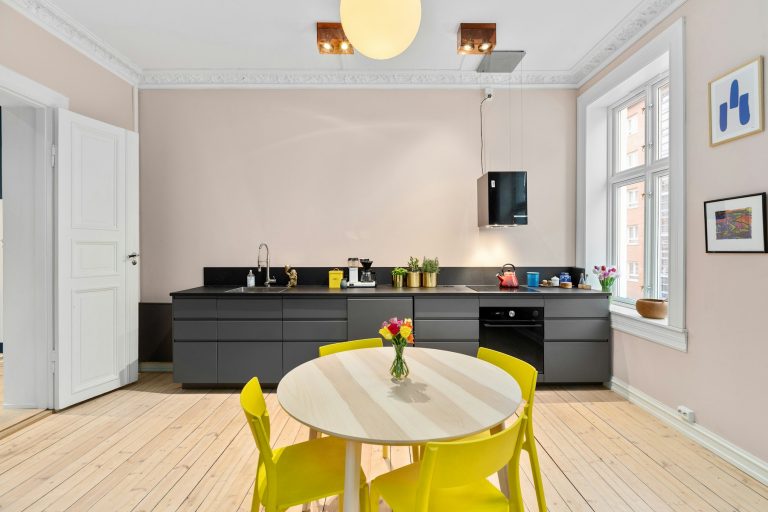
The blue chairs in my living room.
After forty years of sitting in the passenger seat with buyers, these are the blind spots I see most, and what I say about each one.
The fixer-upper math that used to work
Buying a fixer-upper, even less than ten years ago, was not difficult. Buying a fixer-upper today is difficult, and I’m speaking for Florida and South Florida, because of getting a contractor and getting things done. What used to take, say, for a kitchen, tops maybe eight weeks, ten weeks, twelve weeks? Double that. Double any time that it used to take. Double or triple.
So as a buyer, know that. If you go into some place that is a good price, and of course it’s reflected in the price because it needs work, make sure you take all of that into consideration with your funds, with your budget. Get prices. Before you sign on the dotted line, I would bring in a general contractor and say, what is this going to cost? Because buyers are already buying high. They’re paying high interest rates, plus your taxes. And then you’re going to be paying triple what you thought you were going to pay to fix it up.
You need to be more educated as a buyer. And if you’re going and paying top dollar for something totally done, what you see is what you’re going to get.
First-time buyers: the list and the price don’t match
If you’ve got a young couple coming in, first-time buyers, of course they’re excited. And they have a list of all the things they want. And they have a price that really is not realistic. So I think their blind spot is that you have to be realistic. If you have $500,000, let’s say, and you want this, this, this, you want everything? It’s not going to happen. That’s the blind spot. You’re not going to get everything you want. You can, if you’re more realistic with the price.
With the young couple, with their first property, they’re going to have to put their big boy pants and big girl pants on and realize you’re not going to get everything you want for that price. And today, that’s even worse. Right now in Miami, a three-bedroom, two-bath that you don’t have to do any work to, and I’m not talking about the beach, is going to be in the sevens or eights. Way west. Everglades. With the alligators.
I’m only half joking. The point is that a turnkey three-two in Miami-Dade, off the beach, has climbed into territory that would have bought you a waterfront place not that long ago, and first-time buyers who price their list against the Miami they remember from five years ago are going to be disappointed by every listing I send. Price the list against today, and suddenly there are homes to look at.
Older buyers: falling in love with the stairs
For older people, the blind spot is that they fall in love with a property that’s two stories, or three stories, because if you buy a townhouse, it could be three stories. They want to see it. I want to see this, because it looks so great. Now, if it has an elevator, great. But a lot of them don’t have elevators, and you can’t always put in an elevator, because you need some significant space to do that.
If they fall in love with a two-story and say they’re 60, 65, and they just had a knee surgery, whatever, you’ve got to let them know: you know what, you might have an issue here with the steps. So maybe we need to start looking at something else. And you get that out to them when you first meet them, or after the first showing, because you don’t want to be wasting your time, or their time, by showing places that they should not be buying and are not going to buy.
If that’s you, I’ll say it gently and early, and then we’ll go find the one-story, or the building with the elevator, that you’ll still love in ten years.
Educated buyers who still negotiate like it’s 2010
It’s a much more educated buyer now. Because of Zillow and everything else, and the news, the nonstop news, they can get everything online. They’re more interested in neighborhood schools, and that’s all right there, a whole list of grade-A schools. Even the buyers from New York who bought properties online without seeing them during COVID were very familiar with what they were buying. Miami Beach is a very easy city to become familiar with quickly.
But the educated buyer is still at times not realistic about the price, and negotiating is much different now. In the old days, you could start with $200,000 less than asking price. It’s not going to happen anymore, unless the price is totally ridiculous and the comps come in ridiculous. Your negotiation is not going to be as effective as it used to be. Knowing the neighborhood cold is wonderful. Knowing what a home in it actually sells for this month is the part that saves you from writing offers that get ignored.
Visiting Miami Beach is not living in Miami Beach
Most people have been to Miami Beach and experienced Miami Beach. It’s one thing to come visit. It’s another thing to live here. Property taxes are a bit higher, the millage rate is a little higher. It’s a flood zone, and you have to realize that, you know, you’re carrying flood insurance, especially if you’ve got a place within a certain distance of the water.
And people ask me, how do you raise kids on the beach? It’s like you do everywhere else. There are normal schools here, there are great schools on the beach. I don’t think it’s a hard sell by any means. But budget for the taxes and the insurance before you fall in love, not after, because those two lines are what turn a comfortable monthly payment into a tight one down here.
The monthly payment is not the final number
After all, living there costs matter a lot more than purchase price. When shopping condos, get maintenance fee amount, what it includes, anticipated increases, any pending or anticipated special assessments. Read the documents, don’t just shrug at the condo fee amount as an insignificant monthly cost, look at reserves, special assessments. Remember, the condo with the lower sale price can cost more per month than another. When shopping houses, get an accurate insurance quote on the house (not just an “average” insurance quote) and find out if it will require flood insurance. Your loan payment is just one piece of the monthly cost. Find out what your total monthly cost will be: loan, taxes, utilities, insurance, condo fees, other monthly/recurring expenses. Your lender/agent should be able to tell you the total cash you’ll need to buy the house (or condo) and the total monthly cost of it. Make sure you have enough in your budget to BUY the house AND live IN it. Plus leave some in your pocket for the day the air conditioner quits on you or they announce a special assessment.
You are buying the home to make life better, not harder. A budget that only works when nothing goes wrong is not a budget that will hold up.
Skipping the second visit
Then on your second viewing, I recommend that buyers go in and sit in silence in the family room for a few minutes and really listen to the noises in the neighborhood.
Also, I recommend buyers pretend that they just backed into their parking space (in the space they would most likely park) and to walk into the house pretending that you are carrying in groceries. All of these little details can really help home buyers to envision living in a house and help to determine if the logistics of living in the home would work for them.
The reason that I always recommend a second showing, at a different time is because we all know that a lot of buyers will fall in love with a house when they first view them. Perhaps the first viewing occurred on a sunny beautiful Saturday morning, but they never viewed the house on a weekday at 5pm during the school pickup lines, during trash pick up time or during the busy commuter traffic. During these first viewings, it is very easy to overlook the honking commuter traffic that backs up for blocks, the garbage truck or the noisy bar down the street. It amazes me how many times transactions can fall apart simply because buyers didn’t take the time for a second look at a potential purchase.
Of course this doesn’t mean you are being difficult, but a trip through a Miami Beach neighborhood during peak neighbor-at-home time can be very revealing. that quick trip down your potential new street during evening traffic jams will give you an honest depiction of how traffic flows through your new street better than any real estate photos. So, if your opinion of the home wavers on that second visit, chances are you were shown the honest truth.
Reading the condo documents after the offer instead of before
One thing that I always want to happen before making an offer is for me (and/or the buyer) to review the budget, the reserves, rules, recent minutes, etc, The last thing we want to do is make an offer, and in the 3rd week learn of special assessments or find the rules limiting. I’d far rather know ahead of time so we can reduce the offer, or nix the offer completely. Easier to walk away with all of the info before making the offer.
Unfortunately the condo docs are an after thought for many buyers, relegated to just one of the books to read during the inspection period. This is a big mistake, and I’ve seen many a buyer caught out by not looking through the condo docs ahead of time and learning about expenses and rules they didn’t expect.
The condo docs will tell you so much about what is currently going on in a community (from the minutes you may learn there are issues with the roof, or water intrusion, or a law suit, or special assessments looming). The rental rules in a community are very important to look at. Even if you never plan to rent out your unit, you may in the future want to, and either way you’ll have neighbors renting theirs. You’ll also want to know who is allowed to buy the unit when/if you decide to sell. Same with pet rules. Parking situation. How long it takes for approvals from an association. All of this info is found in the docs, so please do not wait for the inspection period to start ticking before reading every last page. And if an association drags their feet to get you the docs, well that tells you something about how it’s run.
Forgetting insurance until the lender asks
Many buyers do not think about getting an insurance quote on a property until the lender calls a couple days before closing demanding a binder (proof of insurance). However, this can be another cost that comes up in South Florida that can affect whether the payment on the property makes sense or not, especially if the house is closer to the water that might require a flood insurance policy in addition to the homeowners insurance policy (and that may also be required by your lender). I always suggest buyers to get a homeowners insurance quote as soon as a property is under contract (and if it is an older home it will likely require a wind mitigation and possibly a four point inspection as well which I can arrange for at the same time we have the inspector out). If you are in the inspection contingency period and can back out of the deal or renegotiate based on the results of inspections this could be very helpful information to have in your back pocket. Better for the buyer to take the initiative and get an insurance quote on a property than be surprised at the last minute and find out it’s not going to work in their monthly budget. Insurance companies want to inspect the property to determine if they want to insure it and how much they will charge, as they are concerned with the age/condition of the roof, electric panel, plumbing, etc. (hence the four point inspection being required sometimes). Their biggest concern is what’s on the inside of the walls of the house and how close to the water the home is located.
What I want you to remember
Be realistic about the price. Get a contractor before signing, not after. Plan for the stairs as you age, not as you look now. Negotiate from this month’s sales, not from memory. Account for the cost of living here, not just the cost of visiting here. Do all five of those, and you’ve covered nearly every pitfall I’ve seen buyers stumble over in my 40 years of real estate.
Thinking about buying in South Florida? Work with Diane, and bring the list. We’ll make it realistic together.